

























































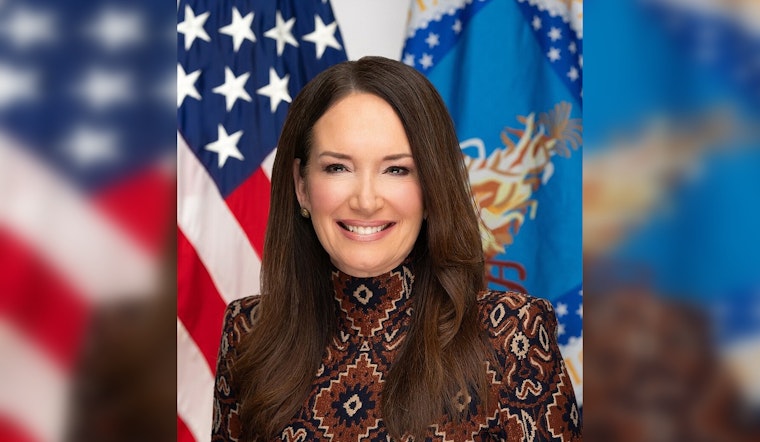
In a recent public address at the Great American Farmers Market for Faith and Fellowship on Tuesday, U.S. Secretary of Agriculture Brooke L. Rollins confirmed the USDA's enduring commitment to religious liberties, noting the agency will enforce protections for faith-based expressions in the spirit of the Constitution, as reported by USDA's press releases. Rollins, backed by housing and veterans affairs heads plus a senior advisor on faith, outlined the updated guidelines that prioritize constitutional protections for religious freedom within public engagements and federally backed programs.
The statement made clear that the USDA, founded with a vision of equal service for all Americans, stands to defend the rights of individuals and organizations for religious faith expression without fear of repercussion, a stance enhanced by Trump-era directives and recent Supreme Court decisions; Rollins stated, "Religious freedom is America's first protected liberty... President Trump made it clear religious liberty is not just a personal right; it’s a national priority," and the event served as a platform to illustrate how the latest USDA guidance fell in line with the respective constitutional values upholding these liberties. Conscious of recent legal interpretations and the revised Presidential orders created to protect religious freedoms, these new provisions come to reinforce a commitment to the First Amendment and safeguard against discriminatory practices.
Notable features of the newly minted USDA policies include the permission for employees and supervisors in the private workplaces are to engage in religious expression such as sharing beliefs or displaying faith-related materials, the inclusion of Faith-Based Organizations in USDA programs without requiring them to amend their identity for participation and the stringent prohibition against coercion or discrimination on the basis of religious beliefs by the USDA. These guidelines are designed to nullify any previous informal advice contradictory to them, aiming to establish a unified approach to religious expression throughout the Department’s various public interactions.
Aligning with recent Supreme Court decisions clarifying the First Amendment's place in protecting religious liberty, these provisions set a precedent for how religious liberties should be newly interpreted and implemented across all USDA mission areas, be it in the workplace, with regards to faith-based organizational involvement in federal initiatives such as nutrition assistance and food distribution, or in the broader conversation of how public institutions engage with faith in the contemporary American context, it was made clear that individuals' and organizations' rights to express and practice their faith will be upheld by the USDA in all federally connected activities.





