

























































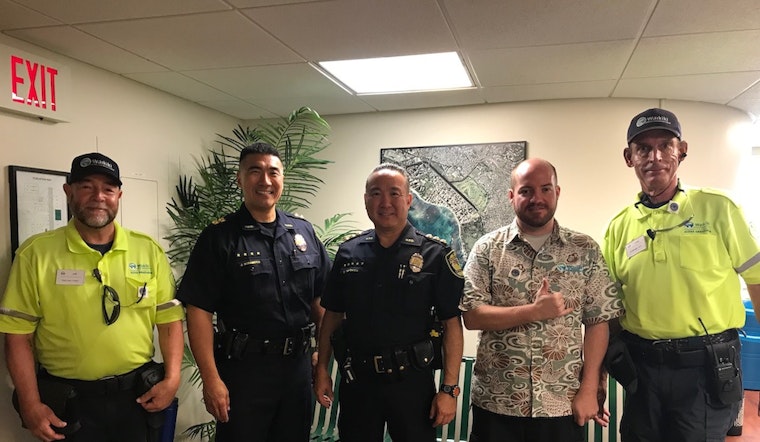
Waikiki's tourist corridor just got a security upgrade with a new breed of safety patrol designed to tackle the area's persistent crime challenges head-on. The Waikiki Business Improvement District launched its Elevated Safety Ambassador Program last week, marking a tactical evolution from the familiar yellow-shirted Aloha Ambassadors that have served the district for two decades.
Post-Pandemic Crime Reality
The incident illustrates a broader challenge facing Hawaii's premier tourist destination. Places like the Kuhio Beach picnic tables can become attractive nuisances without ongoing enforcement, contributing to a proliferation of minor and even felony crimes, as reported by the Police 1.
Business Community Steps Up
WBID has budgeted $400,000 to $500,000 to support the pilot's first year, funding that comes directly from Waikiki property owners rather than city coffers. This represents a separate program designed to "provide an elevated safety presence distinct from the 'hospitality first' Aloha Ambassadors." The timing reflects mounting concerns about public safety that have rippled through Waikiki's business community following a March shooting incident.
What alarmed community leaders more than the shooting itself was the silence from the Honolulu Police Department during the chaos, according to Hawaii News Now. The lack of communication is prompting the business community to be more proactive in combating an ongoing police shortage.
Expanding Safety Network
The elevated ambassador initiative represents the latest layer in Waikiki's evolving security ecosystem. Starting in July 2024 with a $250,000 city grant, a team of three male Aloha Ambassadors began conducting foot patrols every evening from 9:30 p.m. until 6 a.m., concentrating on Kuhio Beach, as detailed by Honolulu Civil Beat. It marked the first time the brightly dressed ambassadors have been deployed for late-night crime deterrence.
Solomon Kaimimoku, general manager of the Aloha Ambassadors program, said the new program provides 24/7 daily coverage across three shifts. The elevated ambassadors patrol key problem areas including Kuhio Beach Park picnic tables, where the city frequently receives complaints about loiterers drinking or engaging in harassing behavior, and Lili'uokalani Avenue near McDonald's to enforce the city's sit-lie law.
Mixed Crime Picture
Prosecuting Attorney Steve Alm reported significant improvements over the past two years: robbery reports dropped 19%, burglary reports fell 30%, auto theft declined 21% and vehicle break-ins decreased 38%. However, crime statistics show a violent crime occurs on average every 6 hours 43 minutes in Waikiki, with a violent crime rate of 4.279 per 1,000 residents in a typical year, according to CrimeGrade.
The numbers reflect Waikiki's unique challenge as a high-traffic destination where areas with heavy visitor traffic may appear to have higher crime rates simply because more incidents occur where people gather. HPD officials see the program as expanding their ability to connect people who may need resources for mental health assistance rather than just enforcement.
Part of Broader Initiative
The elevated ambassadors complement Safe & Sound Waikiki, which began in September 2021 as a crime-fighting collaboration between multiple agencies and community partners. The overnight ambassadors program has helped reduce the count of homeless people sleeping outdoors in Waikiki from 213 to 183, a 27% reduction since Safe & Sound began, according to the Star-Advertiser.
Waikiki's approach mirrors a broader national trend where cities create civilian officer teams to free up uniformed officers, provide visible representation in high-crime areas, or perform community outreach duties, as noted by Police1. Similar programs now operate in Austin, Washington D.C., and at the University of Georgia.



