

























































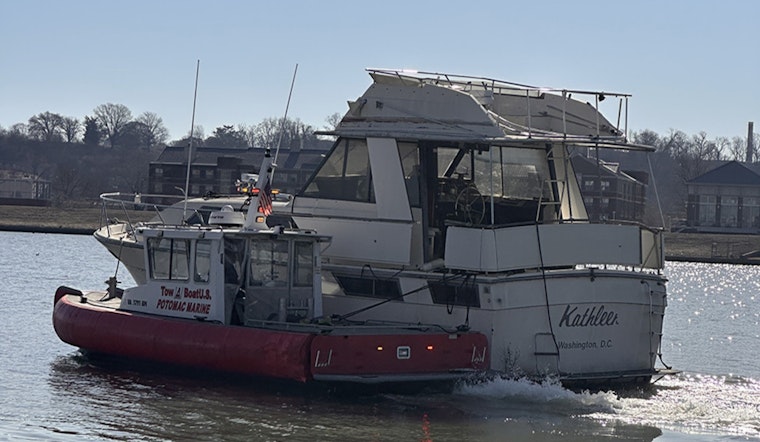
Communities in the nation's capital are tackling the long-standing issue of abandoned boats cluttering the Anacostia River. With funding from the NOAA Marine Debris Program, the Metropolitan Washington Council of Governments, and the Anacostia Riverkeeper, led a four-year initiative to clear the waterways of derelict vessels. In the first half-year, 13 boats have been removed, marking considerable progress toward the goal of removing 28 vessels.
Abandoned boats pose not only a navigational nuisance but also a threat to local ecosystems, potentially releasing hazardous materials into a river imbued with a rich cultural history. As the clearing project progresses, habitats for fish and mussels stand to benefit, and recreational opportunities on the river are expected to expand. The collective endeavor also commits to enhancing the condition of historic boathouses such as the Seafarers Yacht Club, which boasts a significant place in the annals as the nation’s oldest African American yacht association.
Beyond the problem of sunken vessels, the Anacostia River clean-up initiative also targets the removal of varied debris, including heftier items that have found their way into the area's waters. Recreational users and volunteers, often familiar faces paddling the river's bends, have encountered wayward picnic tables, shopping carts, bicycles, and even electric scooters. These pieces of refuse, found in locations that standard cleanups can't reach, have become part of the project's broader debris removal efforts, with plans to dispose of 20,000 pounds of large metal scrap and other odds and ends.
Amid their commitment to restore the Anacostia River, project leaders are also ensuring that, newly freed from unseemly clutter, the river might enjoy a renaissance as a bastion for boating and wildlife. In the spirit of sustainability, most of the collected metal will see new life, with plans to recycle or upcycle it where possible. This approach aligns with the broader vision of conservationists aiming to reconcile human activity with the natural world—a vision where rivers serve the dual purposes of providing human leisure and preserving habitats for creatures great and small.





