

























































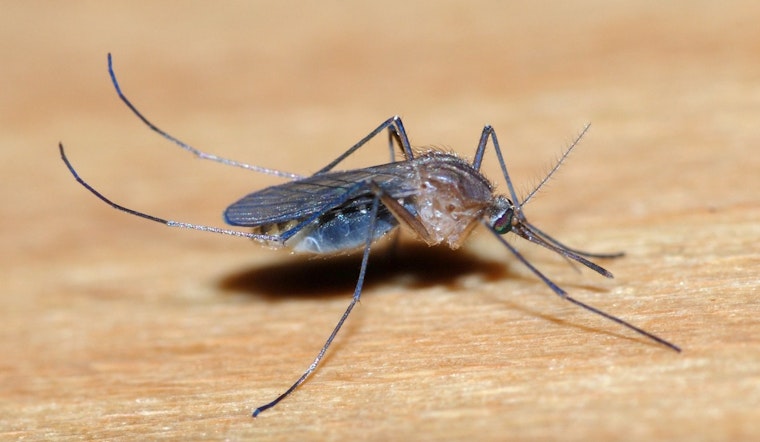
Out there in Livingston County, Michigan's first case of West Nile virus for the year has been identified, raising both antennae and concerns as the peak mosquito season hovers over us. The Detroit News reports the virus was discovered in a local resident, specifics withheld by the Michigan Department of Health and Human Services for privacy reasons. The state rings alarm bells as neighboring counties have also detected mosquitoes bearing this viral visitor.
Dr. Natasha Bagdasarian, chief medical executive for the MDHHS, minces no words about the lurking risk: "It only takes one bite from an infected mosquito to cause a severe illness." In a statement obtained by CBS Detroit, she advises folks to "use insect repellent and wearing long-sleeved shirts and long pants when outdoors during times when mosquitoes are active." Such vigilance is suggested most earnestly for dusk to dawn, the winged pests' high time for biting.
While many escape infection sans symptoms, the state health department doesn't skimp on details when it comes to potential dangers. As per FOX 2 Detroit, those stricken by West Nile might face a high fever, muscle weakness, confusion, or even severe headache, with the more dire trajectories leading to neurological conditions such as meningitis or encephalitis.
The MDHHS checklist for dodging this viral bullet is extensive but straightforward: use EPA-approved repellents with the likes of DEET or oil of lemon eucalyptus, don protective attire, maintain window and door screens, and wage war on stagnant water that serves as mosquito breeding grounds. CBS Detroit shares a list of specific actions, like overturning water-collecting containers and implementing mosquito larvicide, to keep these backyard bloodsuckers at bay.
It's the year 2025, and still, Arizona leads the states with a heavy 34 cases of West Nile, the CDC trumpets—yet, as per the data they've released as of August 5, already 140 cases from 26 states have surfaced nationwide. With its latest case and rising mosquito populations, Michigan is reminding residents to take precautions against mosquito-borne illnesses.





