

























































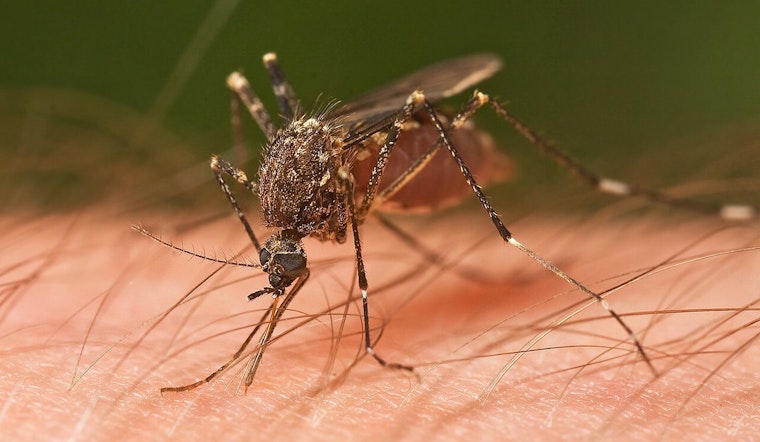
Washtenaw County health officials have raised the alarm following the detection of the West Nile virus in local mosquitoes, as per The Detroit News. The announcements come after mosquitoes collected on August 5 and August 8 in Ann Arbor, Ypsilanti Township, and Saline have tested positive, with no human cases reported in the county so far.
Despite the absence of human cases in Washtenaw County, Michigan has not been spared, with at least four human cases already confirmed this year, including a death reported last week in Kent County, according to The Detroit News. While the West Nile Virus primarily affects bird populations, it can cross over to humans via mosquito bites, potentially resulting in severe illness.
Adding to the concern, MLive notes that health officials recommend preventative measures such as using EPA-approved insect repellent, wearing protective clothing, and eliminating standing water where mosquitoes breed. With the virus typically infecting humans during the late summer months of August and September, residents are urged to be especially vigilant during this time.
Health officials also warn that while most infections may be asymptomatic, around one in four could experience symptoms including fever, headache, and body aches, according to health guidelines covered by MLive. The risk of severe illness such as encephalitis or meningitis remains low, but not negligible, particularly for certain demographics like the elderly, or immunocompromised individuals.
The virus's presence also potentially signals health risks beyond West Nile, as the Health Department's Communications Coordinator, Beth Ann Hamilton, revealed the discovery of the Jamestown Canyon virus in the region. "We really just want to let the public know that there are mosquitos here in Washtenaw County that carry these illnesses, so just make sure to fight the bite and try to avoid getting bitten by mosquitoes," Hamilton told WEMU. The last recorded human case of West Nile in the county was back in 2018, but ongoing surveillance efforts highlight the continued need for community awareness and proactive prevention measures.





