

























































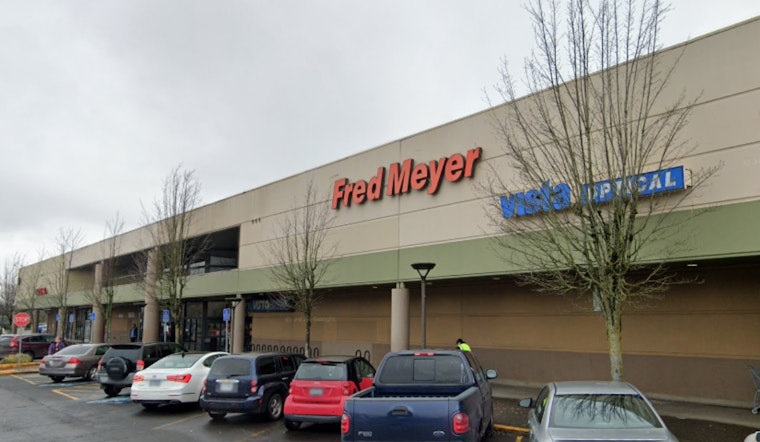
As the Gateway Fred Meyer store shutters, a void opens in East Portland's retail landscape. Residents grappling with the impact of this closure voice concern over the vanishing conveniences—a place where many sourced groceries, household essentials, and even prescriptions. This sentiment echoes the broader unrest precipitated by the recent sweeping closures of big-box stores, a narrative becoming all too familiar in American suburbs, according to the City of Portland.
The Gateway Tax Increment Finance (TIF) district, initially poised to invigorate the community with much-needed development, has seemingly fallen short of expectations. Despite an extension that was supposed to inject about $60 million for redevelopment, big plans are on hold. The recent Fred Meyer exit notably shifts the financial equation, leaving key projects in limbo. "That store was expected to bring in half the projected rent for the Gateway property," per the City of Portland.
This isn't an isolated incident. Nationwide, stores like Fred Meyer face daunting challenges in an evolving retail environment, as the failed Albertsons merger and Kroger's cost-cutting strategies hint at deeper industry trends. Online shopping giants like Amazon continue to force traditional brick-and-mortar setups to reckon with their business models. With pharmacies within grocery chains closing, and developers hesitating amidst rising interest rates and a volatile economy, the retail sector is navigating through uncertain waters.





