

























































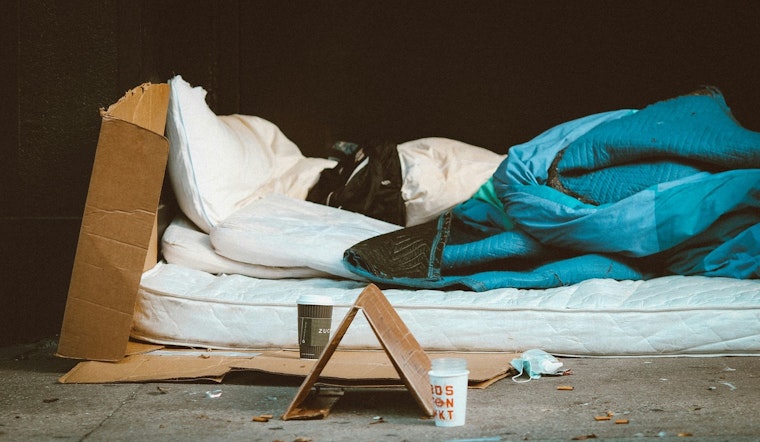
In the heated climate of Miami-Dade, the issue of homelessness burns with an intensity matched only by the Floridian sun. A recent count conducted by the Miami-Dade County Homeless Trust uncovered an uptick in the number of individuals sleeping rough on the streets, totaling 1,068— a 6% rise since last year's count. This increase comes despite a state law that effectively bans public sleeping, highlighting the complex nature of homelessness in the region. Ron Book, chairman of the Homeless Trust, stated in an article by the Miami Herald, "criminalization doesn’t solve the problem."
As per the same report, while the overall homelessness in Miami-Dade saw a 7% decrease, the landscape has shifted geographically. Both Miami and Miami Beach have experienced declines in their homeless counts, 13% and 8% respectively. Yet, to thoroughly disturb an already unstable situation, North Miami-Dade has witnessed a remarkable 74% spike in its street-sleeping populace, now the county's second-largest group behind the city of Miami. The Homeless Trust is currently analyzing these shifts without having proposed any definitive reasons for the changes.
A closer look by Governing revealed the struggles behind these statistics. They interviewed Leroy Walker, a former security guard who found himself without a home, lamenting, "Shelter’s full." This refrain echoes across the county, where the number of individuals in shelters has dropped by 12%, painting a dire picture of the resources available to those in need.
There seems to be a glimmer of hope as some individuals have transitioned to permanent supportive housing, notably at Hideaway on the Bay, which offers refuge to formerly homeless seniors. However, this is tempered by the fact that federal funding for organizations supporting the homeless is uncertain. Ron Book conveyed a cautious optimism to the Governing publication, hopeful that "Congress might reverse course" on cutting these critical programs as they hash out the fiscal year 2026 budget.
The closure of emergency shelters like Camillus House, following a dispute over bed-pricing, and Miami Beach’s Bikini Hostel has only tightened the vice of availability. But Book remains hopeful, predicting the soon-to-materialize 80-bed navigation center, alongside an expansion at Chapman Partnership’s shelter, will somewhat ease the pressing need.





