

























































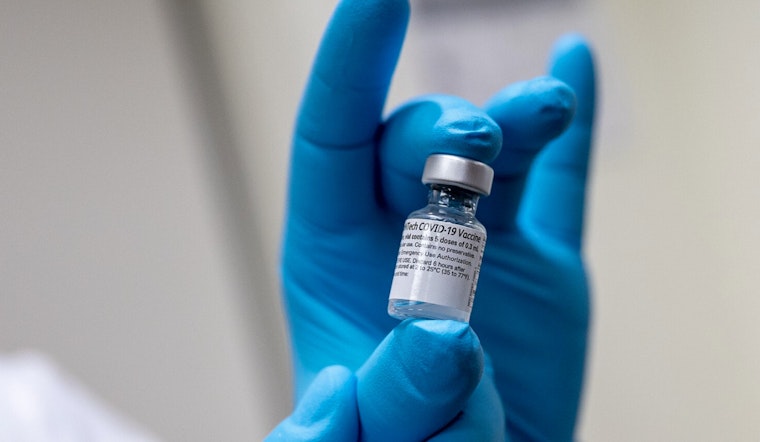
In a recent development that has raised questions among Michigan residents, the U.S. Food and Drug Administration has revised its guidance on COVID-19 vaccine eligibility, now limiting access primarily to individuals aged 65 and older or those with specific medical conditions. This change follows the appointment of Robert F. Kennedy Jr. as Secretary of Health and Human Services, a move that has drawn national attention. According to News from the States, the FDA's latest vaccine approvals reflect a significant shift from previous policies, which allowed vaccination for everyone aged six months and older.
Despite creating significant confusion, Dr. Natasha Bagdasarian, the Chief Medical Executive for the state of Michigan, reassures the public that, according to a WWJ Newsradio 950 interview, the new guidelines were "not based on new data," and Michiganders who desire the vaccine will still have access.
Dr. Molly O’Shea, a pediatrician, also expressed bafflement. She told the Michigan Advance, "There doesn’t seem to be a good reason for restricting the vaccine to only those with underlying health conditions under the age of 65." This reduction in eligibility marks a departure from the broader immunization efforts that communities followed throughout the pandemic, as cited by News from the States.
Concerns about the FDA’s recent changes are supported by ongoing public response. The revised guidelines may unintentionally discourage some families from pursuing vaccination, particularly those already hesitant about immunizations. Dr. O'Shea has expressed concern that limiting access could imply the COVID-19 vaccine is no longer important. In contrast to the federal agencies' position, the American Academy of Pediatrics continues to recommend vaccination for all children aged 6 to 23 months, as well as for older children who are at high risk or whose parents want them to be protected.
In Michigan, the vaccination process may now require additional steps, according to Bagdasarian, as individuals may encounter more difficulty accessing the vaccine. She noted that the vaccine remains safe and effective and urged people to get vaccinated as soon as they are able. These added hurdles could introduce further complexity into an already challenging public health effort.
The issue has expanded into questions of liability, as healthcare providers weigh the risks of prescribing the COVID-19 vaccine off-label. The American Academy of Pediatrics has pointed to malpractice insurance and the Public Readiness and Emergency Preparedness (PREP) Act as potential protections, though the PREP Act does not offer absolute assurance. Amid concerns over the balance between public health needs and administrative uncertainty, Dr. O'Shea recommended a proactive response. She encouraged parents to contact local health departments for up-to-date vaccine guidance and to express their concerns to lawmakers, particularly with Kennedy scheduled to testify before the Senate Finance Committee in the near future.





_C.jpg)