

























































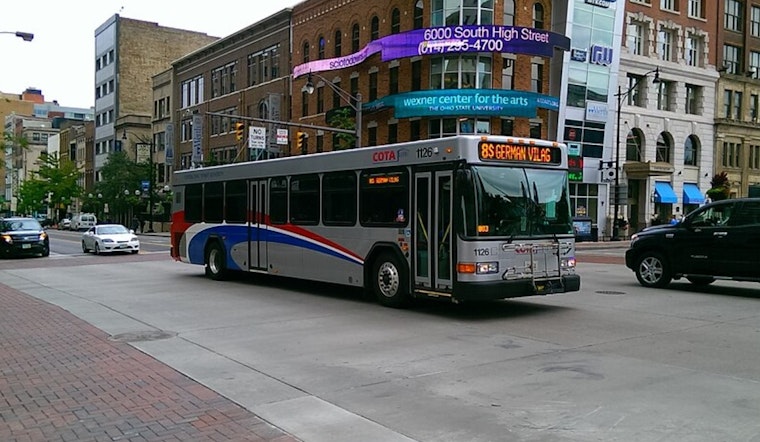
In Columbus, folks without cars—nearly one-third of Americans—are seeing some spotlight during the America Walks' Week Without Driving initiative. From the last day of September to October 5, the Age-Friendly Innovation Center (AFIC) and its Autumn 2025 Scholars Cohort, along with the AFIC resident council, rode alongside the Central Ohio Transit Authority (COTA) for some hands-on travel training. This action-packed week aims to peel back the curtain on the daily hurdles faced by those who navigate without private vehicles.
Travel doesn't just mean foot to pavement or wheel to road, it's a intricate span of connections that binds the young to the old, the student to the academic haven. That's why AFIC is so invested in transportation, not merely as a means of movement, but as a pillar of community infrastructure. According to Ohio State News, Phoebe Allebach, the center's community engagement coordinator, said, "A Week Without Driving is all about finding ways to get around without your car and paying attention to where transportation options fall short." She continues, underscoring the core intention: to make sure the city's layout serves every age, every ability.
In line with this goal, the AFIC teamed up with COTA to offer a firsthand experience of Columbus's public transit. Trainings like this not just echo through the corridors of community centers; they ring out through the lived experiences of those who leave the car keys at home, whether by choice or necessity. The travel training showcased COTA, presenting it as a viable, robust solution amid a sea of limited transportation choices faced by many residents.
The Week Without Driving acts as a yearly reminder that access to reliable transportation is not a luxury, but a fundamental right—vital for a flourishing society. Zooming out, AFIC's initiative mirrors a countrywide conversation about how our cities and towns mold to the needs—or fall short—of their pedestrians, their passengers, their communities at large. As the initiative unfolded, participants gained insight and added their voices to the growing call for inclusive, accessible urban planning. It's more than a campaign; this week plants seeds for understanding that transit is the lifeblood of a community, and without it, not everyone has the chance to thrive.





