

























































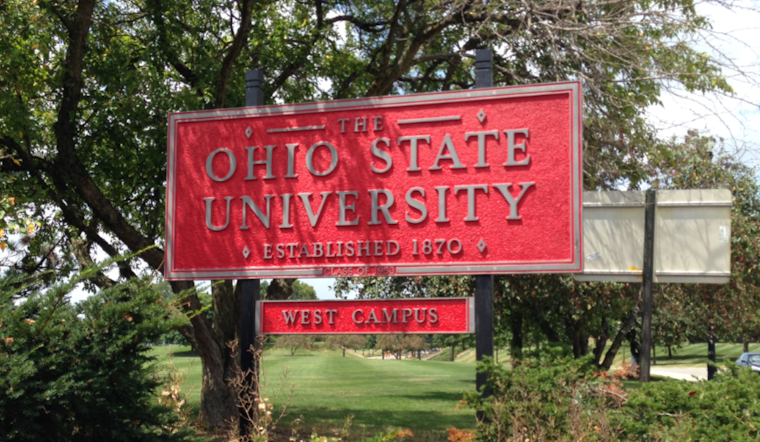
The Ohio State University has named Erik Porfeli as the new interim dean of its College of Education and Human Ecology. Slated to start on Jan. 1, and pending board approval, Porfeli, currently a professor and the chair of the Department of Human Sciences at the college, will lead the institution through June 2028. He steps in following the departure of Don Pope-Davis, who led the college for over seven years.
Porfeli’s appointment has been met with positive reactions within the university, with Ravi V. Bellamkonda, the Executive Vice President and Provost at Ohio State, highlighting Porfeli's respected status and admirable leadership qualities. "Dr. Porfeli is a highly regarded and respected leader with a proven track record of leadership. He shares our ambitions for his college, and through my conversations with him, I am convinced he is the right person to lead the college through this transitional moment," Bellamkonda said, per the Ohio State University news release, as the university looks to continue its work preparing future educators and leaders in human-centered fields.
The role of interim dean sees Porfeli at the helm of a significant academic unit within both the university and state landscape. The College of Education and Human Ecology is a vital contributor to Ohio’s workforce, particularly in education, health, and well-being sectors.
Among the goals for Porfeli's tenure are fostering academic excellence, introducing artificial intelligence into the curriculum, and supporting innovative research. A clear advocate for teaching, he aims to ensure the college remains on the cutting edge of pedagogical methods and provides socially accountable academic programs.
Porfeli’s academic work extends beyond administrative duties. Specializing in lifespan career development, his scholarly contributions have been recognized nationally and internationally. He is also active in community-focused health initiatives, aiming to tackle disparities in healthcare access and outcomes. His tenure as chair of various health and human sciences committees demonstrates his broader commitment to these fields at a national level.





.jpg)