

























































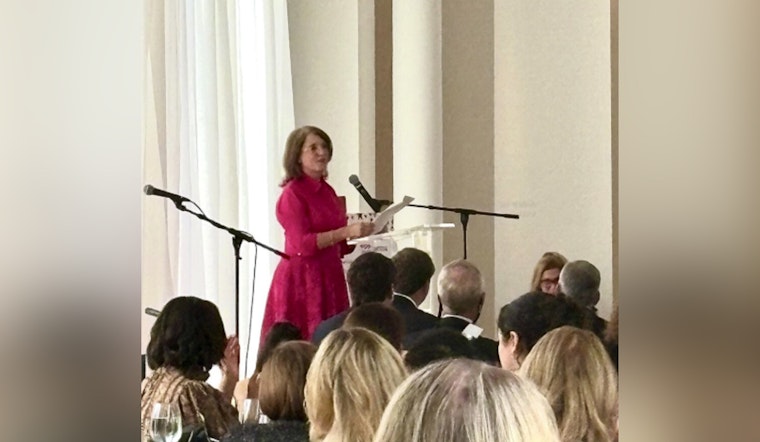
North Carolina is taking a new stride in the support of individuals grappling with severe mental illness post-incarceration. The state's Department of Health and Human Services, alongside First Lady Anna Stein, will introduce the NC Forensic Assertive Community Treatment Teams (NC FACT), aiming to bolster outcomes for this vulnerable demographic. The announcement, scheduled for Nov. 3, is set to detail how this initiative will offer comprehensive assistance including mental health care, housing support, and substance use disorder care, as per a release from NCDHHS.
The initiative seeks to actively reduce recidivism by equipping former inmates with the necessary tools to re-adjust to society. The NC FACT program is designed to not just ensure that former detainees get support, but to also subsequently create safer communities. A notable gathering of professionals will be present at the announcement, including Kelly Crosbie, NCDHHS's Director of the Division of Mental Health, Developmental Disabilities and Substance Use Services, and Dr. Brian A. Farah, who serves as the FACT Program Psychiatrist for Strategic Interventions in Mecklenburg.
Details of the event were shared through an official press release, inviting credentialed media to attend the launch at the NCDHHS Headquarters in Raleigh. The venue, situated near the NC Museum of Art, will not only be the site for the public unveiling, but also host a Q&A session with director Crosbie and FACT team members thereafter. Interested media representatives are encouraged to RSVP in advance to secure their attendance.
The establishment of the NC FACT teams marks a pivotal step toward addressing a cycle of challenges faced by those with severe mental illness exiting the criminal justice system. With a goal articulated to "reduce the likelihood the recipients will return to jail or prison," the NC FACT Program embodies a commitment to reintegration and rehabilitation—a recognition that these citizens deserve to reclaim their place within the fabric of society, according to the NCDHHS.



