

























































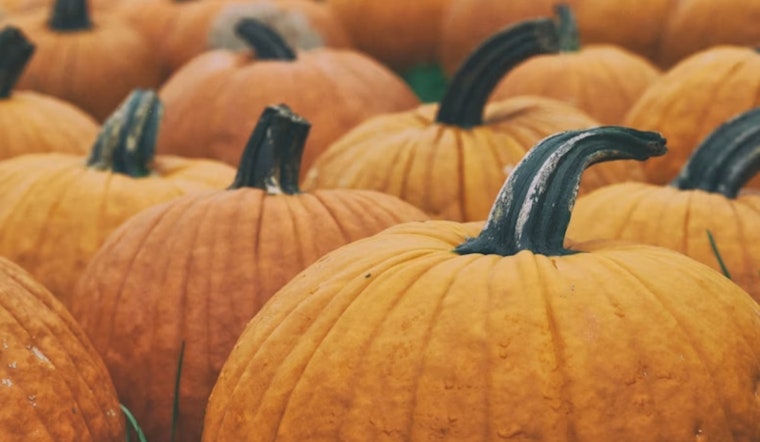
Ohio's pumpkin season has faced a patchwork of challenges this year, with weather woes and market forces carving out a landscape of mixed outcomes for growers and consumers. The yield for 2025 hovers around average to below-average, primarily due to hot, dry conditions that have tempered the size of pumpkins. In a report by The Ohio State University College of Food, Agricultural, and Environmental Sciences (CFAES), experts indicate that while the quality is there, the quantity and size might leave something to be desired.
Facing a wet start that delayed planting, followed by a moderate drought, the pumpkins in Ohio didn't quite receive the water they needed in their key growth stages. Reflecting on the effects of the climate this season, Jim Jasinski, an integrated pest management program coordinator from OSU Extension, noted, "When it’s hot and dry, some fruit won’t size up fully, or smaller fruit may abort altogether," according to Ohio State News. This has set the stage for possible increased costs for how growers might see a rise in prices due to either low yield or high quality, or both.
However, not all the news is gloomy. The dry weather has a silver lining, cutting down the usual suspects of fungal diseases that haunt Ohio's pumpkin patches. This natural reprieve has meant less reliance on chemical treatments, but, according to Jasinski, insect pressure from pests like the striped cucumber beetle and squash bug has ticked up. Growers have been responding with crop rotation, hybrid selection, and pesticides, employing them specifically when thresholds are exceeded.
Economic factors are also at play in Ohio's distinctive pumpkin market, as the state ranks in the top 10 for production, though mostly for fresh sales rather than canning. Different from states with large processing sectors, "demand in Ohio is driven by agritourism and direct sales," Gabriel Lade, an associate professor from CFAES, told CFAES via Ohio State News. Their analysis points to an increased demand due to warm fall weather, potentially affecting prices for consumers. Despite steady acreage, these factors suggest some fluctuation in price tags on pumpkins this season.
For the consumer, it remains a time of festive fall activities and pumpkin pursuits. Even with the agricultural hurdles, Jasinski assures that "selection should be solid overall," according to Ohio State News, though one might find the larger pumpkins in shorter supply. Keeping the traditions alive, many farms have been diversifying attractions, adding the likes of sunflower fields and apple picking to the autumnal allure. Despite this year's trials, Ohio's agritourism seems to have weathered the seasonal storm and stands ready to welcome those in search of the quintessential fall experience.





