

























































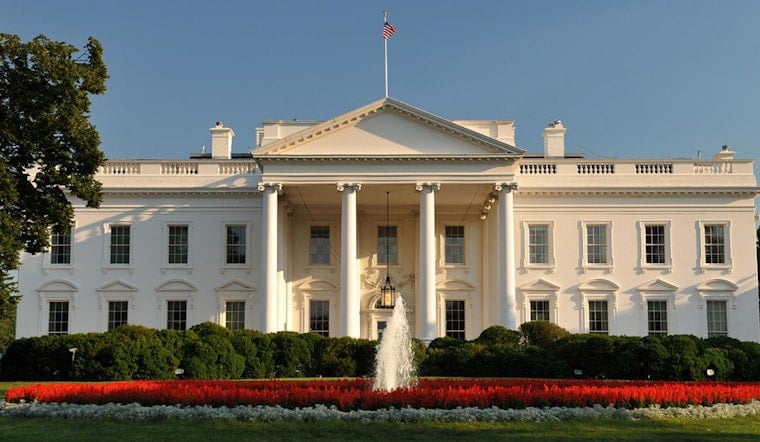
In a move expected to bolster economic ties between the United States and Viet Nam, the two nations have agreed to a framework that aims to ensure reciprocal, fair, and balanced trade, as announced in a recent joint statement. Set to transform the landscape of bilateral trade, this agreement will expand market access and streamline regulatory processes, providing an unprecedented opportunity for both countries' exporters, according to The White House release.
Under the framework, Viet Nam is set to offer preferential market access to a vast majority of U.S. industrial and agricultural exports. Signed into law by an Executive Order in early April and further refined in September, the U.S. will maintain a 20 percent reciprocal tariff on select Vietnamese goods. But notably, in adherence to the Executive Order 14346, certain products from Viet Nam will benefit from a zero percent reciprocal tariff rate, effectively sweetening the pot for Vietnamese exporters aiming for the U.S. market, as noted by the same release.
According to the joint statement, the two nations have also committed to constructive work on non-tariff barriers that impact bilateral trade, focusing on priority sectors. These efforts include mutual recognition of automotive standards, easing the process for U.S. medical devices, and simplifying approval procedures for pharmaceutical products from the U.S. Additionally, Viet Nam has pledged full implementation of certain international intellectual property treaties and aims to align with U.S. concerns on conformity assessment procedures.
A major stride in this partnership is the commitment from both countries to address agricultural product barriers and enhance digital trade, intellectual property, labor standards, and environmental concerns. Navigating through customs and improving trade facilitation also sits high on the agenda. Mirroring these governmental moves are tangible business deals, such as the acquisition of 50 Boeing aircraft by Vietnam Airlines, and various memorandums of understanding between Viet Name and U.S. companies that total an estimated value in agriculture purchases of over $2.9 billion.
The coming weeks are critical, with the U.S. and Viet Nam gearing up to finalize this agreement. Once signed, a series of domestic formalities will pave the way for its enactment, potentially setting a landmark precedent for fair and balanced international trade agreements.




