

























































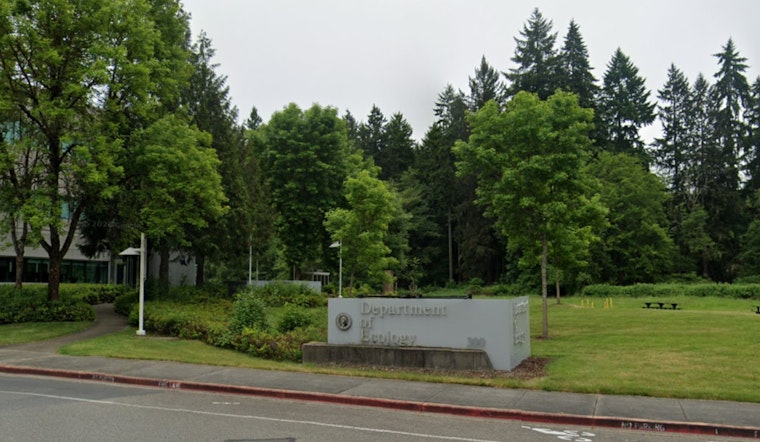
The Washington Department of Ecology has been busy in the first half of 2025, issuing nearly $800,000 in environmental penalties across the state. According to a report by the Department, violations ranged from burning prohibited materials and spilling contaminants into waterways to neglecting proper waste management protocols.
Ecology, while collaborating with businesses and individuals on compliance, has turned to financial penalties as a deterrent. The penalties for the first half of the year amounted to $794,804.89, with the lion's share of $661,042.96 being issued in the second quarter, a significant leap from the $133,761.93 levied in the first quarter. Among the cited, Kludt Waldron Orchards in Manson and Central Washington Asphalt faced fines for unlawful burning and a negligent asphalt spill, respectively.
Notably, "Ecology fined 23 plastic producers a combined $277,000 in 2025 for not following all or part of Washington’s post-consumer recycled content law," detailing the failure to meet the 15% minimum requirement for recycled content in beverage containers elaborated in a news release.
Significant penalties were issued to entities such as Kelowna Corp., which faced a $315,000 fine for pumping a substantial amount of red-dyed diesel into the environment without reporting the spill, and Chad Williams, who was fined $71,800 for unauthorized work damaging wetlands on his property.
The full list of violations includes cases like Roxanne O’Keefe’s $2,000 fine for abandoning her oil-leaking vehicle on Seola Beach and U.S. Oil & Refining Co's $9,000 penalty for improper tracking of dangerous waste. These penalties are seen not just as punitive measures but as part of Ecology's broader goal to "protect, preserve, and enhance Washington’s environment" for current and future generations.





