

























































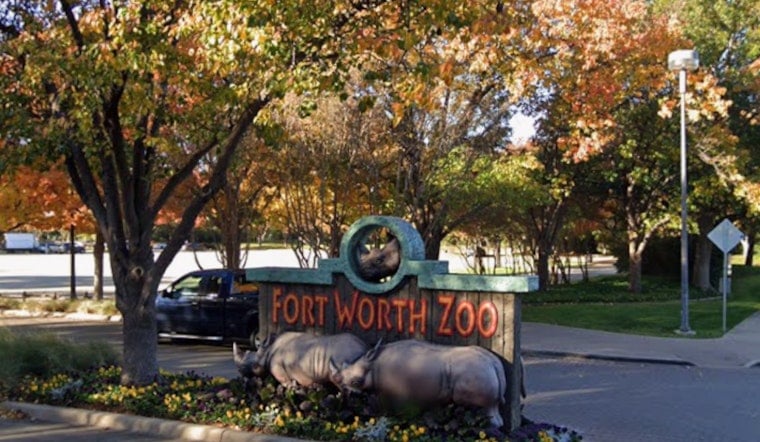
Bad Bunny did not just drop a new mascot this year. He quietly pulled the Fort Worth Zoo into the middle of a global conservation story, all by putting a tiny Puerto Rican toad front and center in his latest era.
The pop star’s Sapo Concho character has been splashed across visuals, merch, and stage setups during his Puerto Rico residency. That sudden fame has turned an obscure amphibian the zoo has worked on for decades into a headline-grabbing symbol that now comes with real money and real momentum.
Pop-star buzz that turned into real donations
The hype did not stay online. Diane Barber, senior curator of ectotherms at the Fort Worth Zoo, told CHRON that more than $15,000 in fresh donations tied to the Sapo Concho craze are already helping cover costs for a planned breeding and conservation center in Puerto Rico that is expected to open in 2026. As fans latched on to the toad, a crypto fundraising push using the $Concho tag also popped up, turning stan energy into cash for conservation.
Fort Worth’s long game with a tiny toad
Long before the arena visuals and plush toys, the Fort Worth Zoo was quietly running the Puerto Rican Crested Toad Conservancy and coordinating a broad, multi-facility rescue effort. The zoo and its partners have been breeding and reintroducing the species for decades, with hundreds of thousands of tadpoles released back into the wild through a network of collaborating institutions.
The zoo’s own materials detail how wide that web of work runs, from carefully managed breeding lines to release events across multiple sites in Puerto Rico, all meant to rebuild self-sustaining wild populations. Fort Worth Zoo documentation spells out the partnership model and tally of past releases that form the backbone of those reintroductions.
Lab breakthroughs that fed field releases
A big piece of the comeback strategy has played out in lab dishes. In 2019, scientists working with zoo partners pulled off the world’s first in vitro fertilization for the Puerto Rican crested toad, producing a now-famous individual nicknamed Olaf. That single lab success turned into a real conservation impact when Olaf went on to sire large numbers of tadpoles that widened the species’ genetic base in captivity.
Mississippi State University and other collaborators highlighted how that milestone gave conservationists new genetic tools to work with as they tried to stabilize such a small population. Mississippi State University outlined the assisted-reproduction techniques and technical groundwork that made Olaf and his offspring possible.
Short film, sold-out blind boxes, and a full-on cultural moment
Once Sapo Concho stepped into Bad Bunny’s world, the character spread fast. The toad appeared in the artist’s short film and onstage through his Puerto Rico residency, then jumped into the merch stream as collectible keychains, plushes, and limited blind-box figures that vanished quickly from shelves.
Coverage of the drop tracked how a limited run of blind boxes helped supercharge demand and visibility for the character. Hypebeast detailed the blind-box release, while broader reporting on the residency put the whole project in a bigger frame of Puerto Rican culture and symbolism. AP News coverage of the residency placed the Sapo Concho moment alongside other icons and issues the show elevated.
Why this surge matters for a species on the edge
Behind the cute character is a species that scientists say is still on a knife-edge. Field estimates put the remaining wild adult Puerto Rican crested toad population in the low thousands, often cited in the range of about 1,000 to 3,000 adult animals. That keeps pressure high on breeding programs, reintroductions, and habitat work.
The toad is listed as imperiled on international and federal conservation lists, and official recovery plans guide when, where, and how releases and habitat projects move forward. National Geographic lays out the population concerns and threats, while the U.S. Fish & Wildlife Service offers the formal species profile and regulatory context behind those recovery efforts.
What comes next for Sapo Concho
Zoo staff and conservation partners are clear that a viral moment is a jump-start, not a finish line. They say sustained funding, new breeding infrastructure, and more suitable reintroduction ponds in Puerto Rico are all needed if this flash of attention is going to translate into a durable population rebound. Barber has repeatedly warned that the hard work begins long after the memes fade.
Still, they are not ignoring the spotlight. With Bad Bunny already announced as the Super Bowl halftime headliner in early 2026, there is a chance the sapo concho could land in front of an even bigger global audience. CHRON captured Barber’s hopes that the attention will keep building, and NFL coverage of the halftime show underlines just how massive that stage could be for the toad’s story.
For Fort Worth, the whole saga is a reminder that a local conservation program can suddenly go global when pop culture decides to shine a light on it. The zoo and its partners say the real test will come later, when the tadpoles raised by these efforts leave sanitized lab tanks for newly restored ponds back in Puerto Rico, ideally backed by the kind of long-term support that outlasts any tour cycle.





