

























































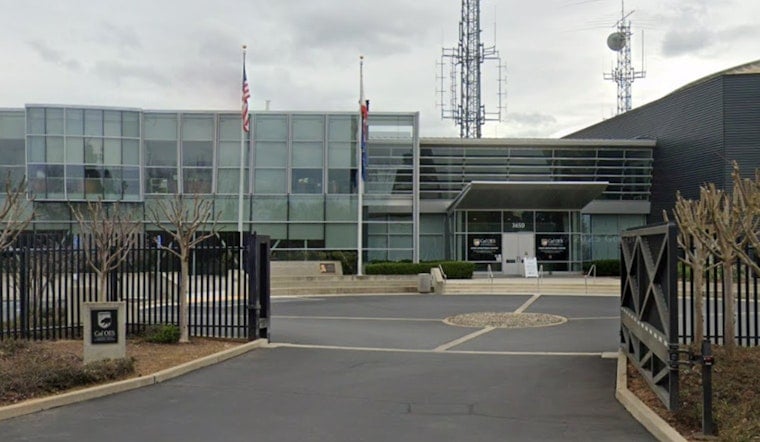
California's ambitious upgrade to its 911 system has hit the wall. After a rocky rollout that saw emergency calls dropped, delayed and sent to the wrong place, state officials are shelving the regional blueprint for the Next Generation 911 network and hitting pause on further cutovers while they redesign the whole thing.
The state has already paid out hundreds of millions of dollars to contractors for the new infrastructure. Now Cal OES says migrations will be put on hold as it rewrites the architecture and tightens how vendors are procured and tested.
Cal OES Abandons Regional Model
Emergency managers told advisory boards they are walking away from the original plan that sliced California into four separate regions. Instead, they want a single, statewide design built around one primary provider with a backup, a setup they say should cut down on the handoffs and interface problems that plagued early activations.
As reported by NBC Bay Area, Cal OES Deputy Director Steve Yarbrough described the agency's transition report as "the opening stanza" of a broader push to make deployments safer for call takers. Officials say the streamlined structure is meant to eliminate the complex inter-vendor transfers that created real-world risk when the new system first went live.
Price Tag And Where The Money Went
The numbers are already eye watering. Urgent Communications reports that California has spent more than $400 million on the project even though only a few dozen public safety answering points are actually using the new network.
According to StateScoop, the statewide pause and internal review followed growing complaints from local officials and advisory board members who questioned spiraling costs and a tangle of vendors that made the project harder to manage.
How The Rollout Faltered
When the new system did flip on, the results were troubling. Dispatchers reported calls that dropped midstream, calls that were delayed and calls that landed in the wrong jurisdiction. Tuolumne County said it suffered a 12 hour outage tied directly to the new setup.
Those failures, documented in reporting and records obtained by journalists, pushed Cal OES to freeze additional migrations while it reexamines system safety and testing protocols. State leaders have pointed to those operational breakdowns as the main reason for reworking the project.
New Architecture And A Fresh Procurement
Cal OES now says it is shifting to a simpler network design and plans to issue new requests for proposals next year to select a second statewide provider, while relying on a single vendor as an interim backbone.
Urgent Communications reports that the 23 PSAPs already connected to the new network will be moved over to that interim system, with broader migrations pushed into 2026 and beyond.
The state's NG911 office has outlined its modernization goals, including replacing aging legacy networks so 911 centers can receive text, photos and video. In its own materials, Cal OES says it will tighten testing and increase direct state oversight whenever a center is brought onto the new system.
Calls For Oversight And Redundancy
County officials, fire chiefs and advisory board members have been pressing for clearer performance benchmarks, firm redundancy guarantees and more transparent testing before any more 911 centers are switched over.
As mentioned by StateScoop, critics warned that the original multivendor design created so much complexity that it was difficult to know who was responsible when something broke. Cal OES spokesperson Anita Gore told reporters that pausing and redesigning the rollout is necessary to deliver resilient, reliable emergency communications for people who dial 911.
What Comes Next For Callers And Taxpayers
The Sacramento Bee reports the state has paid roughly $450 million to contractors so far, and that some vendors are warning a redesign and reinstall of statewide technology could cost taxpayers "hundreds of millions" more.
According to the Bee, Cal OES transition documents also set a goal of fully shutting down the old legacy 911 networks by 2030. Hitting that target will require more precise cost estimates, tougher oversight and careful testing as the state rewrites its contracts and tries again.





