

























































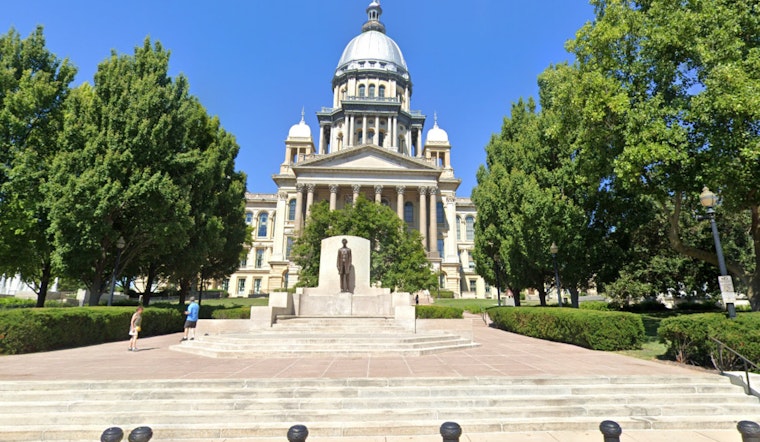
Illinois has quietly turned into ground zero for lenders stepping back into the foreclosure arena, with a noticeable spike in repossession activity rippling through the state. In October 2025, Illinois recorded roughly one foreclosure filing for every 2,570 housing units. Public data show more than 2,100 filings that month and nearly 200 completed repossessions, arriving just as a national rise in filings began to show up. The end of pandemic-era moratoria, combined with pricier borrowing, is now translating into real cases on courthouse dockets.
What the data shows
According to ATTOM, there were 36,766 U.S. properties with foreclosure filings in October 2025, an increase of about 19% from a year earlier. In the same report, Illinois logged 2,118 filings and 1,252 foreclosure starts that month, putting the state near the top of the national ranking for foreclosure rate. The dataset also shows that completed foreclosures jumped sharply year over year, a sign that lenders are not just initiating cases, they are also pushing more repossessions through to the finish line.
Why Illinois’ courts make the backlog visible
Illinois requires foreclosures to run through the court system, which means cases often stay active for 12 to 15 months instead of moving quickly through non-judicial sales. That longer journey keeps more filings visible on county dockets at any given time. The Institute for Housing Studies at DePaul University has documented how this judicial pipeline stacks up filings in public data and can make the backlog look larger than in states that permit non-judicial foreclosures. Legal overviews also describe how mediation and other procedural steps baked into Illinois law can stretch the timeline from initial filing to final sale.
Hot markets, tight supply
The surge is not hitting a uniform housing landscape. Some smaller metros are still fiercely competitive, while other communities are clearly feeling affordability strain. Realtor.com named Rockford the nation’s hottest market in December 2024, with low inventory and quick sales fueling demand even as prices stayed relatively affordable compared with larger metros. Meanwhile, Chicago-area suburbs such as Elmhurst have seen median sold prices in the mid to high hundreds of thousands, a pattern noted in local market reports that can leave owners more exposed when mortgage rates jump.
What's driving the uptick
Analysts point to a mix of high mortgage rates, rising day-to-day living costs, and tight resale supply, a combination that squeezes household budgets and makes existing loans harder to sustain. Business Insider has highlighted how mortgage rates above 6%, layered on broader cost pressures, can strain borrowers who bought at higher prices or shorter margins. At the same time, ATTOM’s monthly breakdown shows foreclosure starts up roughly 20% year over year and completed foreclosures rising about 32% for October. More homeowners under stress, plus lenders restarting legal action after a long lull, helped push Illinois into the top tier of state foreclosure rates last month.
Legal options and resources
Homeowners hit with a foreclosure filing still have tools they can try before a sale occurs. Those include loss-mitigation talks with loan servicers, county-level mediation programs where they exist, and the right to respond in court, which can include limited redemption opportunities in certain circumstances. Consumer guides from Nolo outline borrowers’ procedural rights in Illinois, and the Institute for Housing Studies at DePaul notes that legal aid and mediation programs in some counties can change case outcomes. Anyone served with a foreclosure complaint is urged to contact a housing counselor or attorney quickly to understand deadlines, possible workout options, and what can be done before a sale is confirmed.
For neighbors watching the uptick on their block, the message is that courthouse filings reflect both genuine household distress and the quirks of a judicial system that keeps cases on the books longer, and both elements matter. Keeping an eye on monthly reports and local court dockets in the coming weeks will show whether this surge cools off or settles in as a longer-running challenge heading into 2026.



