

























































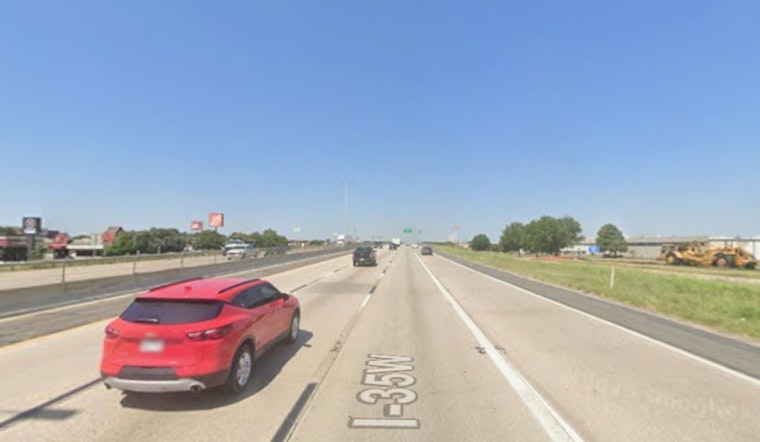
A North Texas stretch of the I-35W Tollway has quietly turned into one of the most dangerous pieces of pavement in the country, with fatal-crash involvement exploding over the last decade. A new national analysis tags this Tarrant County corridor as the biggest outlier in rising roadway deaths, landing the findings squarely in front of transportation planners and law-enforcement leaders already struggling with more deadly wrecks at home. Officials say they are watching closely to see whether beefed-up enforcement or engineering tweaks can slow the trend.
Mercury Analysis Shows Dramatic Spike
A report published by Mercury Insurance found the I-35W Tollway in Tarrant County showed a 2,660 percent increase in the average number of people involved in fatal crashes when comparing 2014–2018 with 2019–2023. Mercury says it used the National Highway Traffic Safety Administration's FARS and FIRST datasets for the comparison and posted the analysis on Nov. 4. The company’s list also highlights other dramatic spikes and some notable declines on roads across the country.
Tarrant Leaders Push Enforcement As Deaths Rise
Locally, county and city law enforcement officials have been warning that traffic deaths are climbing. Tarrant County recorded 205 fatal crashes in 2024 and was on pace to top 230 this year, authorities told KERA News. Sheriff Bill Waybourn and several police chiefs announced a coordinated campaign that includes extra state troopers and stepped-up traffic stops aimed at curbing speeding and impaired driving. Officials say the focus is on a small share of drivers whose behavior contributes disproportionately to fatal crashes.
Rebuilt Corridor Draws Scrutiny
The I-35W corridor has been the focus of a multiyear rebuild and managed-lane expansion under the North Tarrant Express program, which added TEXpress toll lanes and finished final segments in 2023–24, according to project documents. TEXpress Lanes material says the work was designed to boost capacity and ease congestion, but the shifts that follow major reconstruction, including changes in speeds, lane patterns, and traffic mixes, can also reshape crash risk. Planners are now weighing whether post-project traffic behavior is a factor in the recent rise in fatal-crash involvement on the corridor.
Why The Numbers Do Not Prove A Single Cause
Mercury's report explicitly cautions that the percentage changes show correlation, not causation, and that population growth, traffic volume, speed, and enforcement policy can all affect fatal-crash involvement. State reporting has also flagged broader trends, including rising truck-involved fatalities and a drop in some federal enforcement actions, that complicate the picture on Texas roads. Analysts say the only reliable path to answers is a more detailed crash-by-crash investigation paired with traffic-volume data.
What Comes Next For Drivers And Planners
Regional planners say they will lean on data, targeted engineering, and enforcement to try to reverse the trend, and the North Central Texas Council of Governments has safety projects and managed-lane monitoring tools in its toolkit. North Central Texas Council of Governments publications show the agency prioritizes projects intended to reduce fatalities and improve corridor performance. For residents, the immediate message from officials is familiar and not especially high tech: slow down, buckle up, and avoid distractions, the simple steps that still prevent the majority of roadway deaths.





