

























































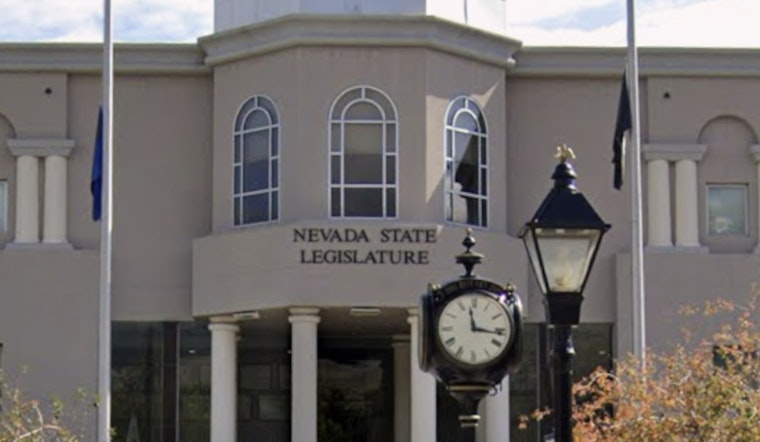
The Nevada Senate cast a deciding vote Wednesday evening against a contentious bill aimed at expanding the state’s film tax credit system. Falling short by one vote, the bill would have allocated $120 million annually in transferable tax credits to film companies over 15 years starting in 2029. This outcome delivered a major blow to the bill’s proponents, which include high-profile movie studios, construction trade unions, and Democratic sponsor Assm. Sandra Jauregui, according to The Nevada Independent.
Amid intense lobbying efforts, a purported alliance of progressives and conservatives, cited as an unlikely coalition, managed to stymie the bill, heralded as the pièce de résistance of the Legislature's special session. Promises of job creation, economic diversification, and supplemental funding for pre-K programs in Clark County were not enough to tip the scales in the bill's favor. Gov. Joe Lombardo, who backed the initiative, lamented the Senate decision, stating his ongoing commitment to Nevada’s economic growth, as "Nevada is open for business" The Nevada Independent reported.
Opposition groups, including the American Federation of State, County, and Municipal Employees Local 4041, were vehement in their criticism of the bill, arguing that it posed a risk to the state budget with projections indicating deficits in years to come. Notably, Washoe County Commissioner Alexis Hill celebrated the bill’s failure as a victory "that belongs to everyday Nevadans," pointing to the collective effort of various community members and organizations in quashing the proposal, as she told The Nevada Independent.
The bill drew extra scrutiny for the expected shortfalls in tax revenue, despite amendments that sought to mitigate the impact, such as increased investment requirements from film production companies and the creation of a special tax district in Summerlin. Though billed as economically beneficial by supporters, critics remained unpersuaded by the changes. As the proposal unraveled before the senate, Sen. Edgar Flores, Sen. Melanie Scheible, and Sen. Angie Taylor emerged as decisive votes against it after days of speculation and behind-the-scenes negotiations, reported by KTNV.



