

























































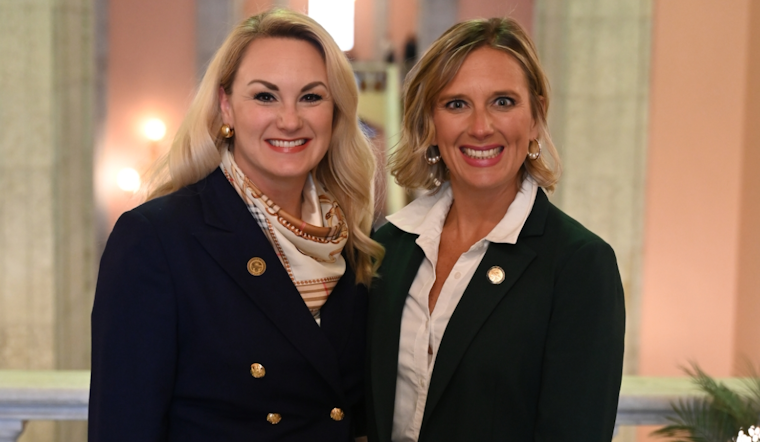
Ohio's legislative landscape is poised for a shift as State Representatives Melanie Miller and Monica Robb Blasdel, both Republicans, have taken steps to put forward the Parental Clarity on Health Options and Information on Conscientious Exemptions (C.H.O.I.C.E.) Act. This new bill, known as House Bill 561, has been introduced to the State Assembly, targeting vaccine requirements in schools and ensuring that parents are well-versed in their exemption rights under Ohio law. Specifically, the bill will require K-12 schools, preschools, and daycares to respect the state's medical, religious, and conscientious vaccine exemptions, as reported by the Ohio House of Representatives.
Representatives Miller and Robb Blasdel have argued that while vaccines may be mandatory, parents should concurrently be informed about exemption options. "Anytime a school requires vaccines, parents should also be informed of the exemptions provided under Ohio law," Miller stated, as detailed by the Ohio House of Representatives, asserting that C.H.O.I.C.E. Act will empower families to make decisions aligning with their personal values and circumstances. Although this bill focuses on transparency, there's contention surrounding the notion of potentially increasing the number of unvaccinated children within the school system.
Robb Blasdel emphasized fairness and clarity when discussing the implications of the legislation. "This bill is about transparency and fairness," she said in a statement obtained by the Ohio House of Representatives, highlighting the necessity for parents to navigate the exemption process without facing undue hurdles or confusion. Besides outlining parents' rights, the C.H.O.I.C.E. Act lays out several specific provisions. Among these is the prohibition of schools from demanding extra documentation from parents or steering them to use a specific exemption form. It also removes the hepatitis B vaccine requirement for preschoolers to bring state law into agreement with federal recommendations.
A crucial element of the Act includes a process for parents to report violations to the Department of Children and Youth, and prevents schools from barring healthy, uninfected children from attending school during disease outbreaks if they have a lawful exemption. As the debate on vaccine exemptions rages on, Ohio finds it steps at another crossroad, weighing individual freedom against public health considerations. The Parental C.H.O.I.C.E. Act now waits for a House committee assignment, leaving many to speculate on its potential impact on Ohio's fight against communicable diseases among school-aged children.





