

























































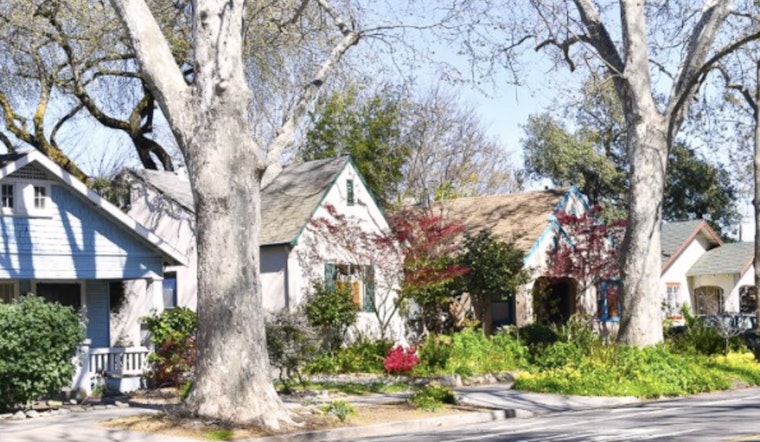
Older houses across Sacramento are getting a second act, along with much smaller tax bills, thanks to a state preservation program that blends legal protections with property tax breaks. Buyers and developers are signing Mills Act contracts that swap long-term restoration commitments for lower county assessments, a tradeoff that city staff say has sped up investment in neighborhoods from Midtown to Alkali Flat.
The City of Sacramento administers a local Mills Act program that provides property tax relief to owners of designated historic buildings in exchange for long-term maintenance and restoration obligations, per the City of Sacramento. The city amended its Mills Act rules in 2018 to streamline applications and posts step-by-step instructions, fees and reporting requirements online. Applicants must submit a 10-year workplan and record a contract with the county before a new assessment takes effect.
That incentive has already produced a steady stream of certified contracts. A Midtown buyer, Jenessa Gjeltema, purchased a house built in 1895 in 2024 and had her Mills Act contract certified by the county on October 14, 2025. An examination of 20 Sacramento properties that received Mills Act reductions through the end of 2024 showed roughly $23.1 million in combined sales and a combined assessed value near $9.6 million. The reporting also indicates the city has enrolled about 60 properties since it began accepting applications in 2018 and estimates the changes for those 20 properties could lower annual property tax receipts by about $140,000 while saving individual owners thousands each year, as reported by The Sacramento Bee.
How the law works
The Mills Act is a state law enacted in 1972 that gives cities and counties authority to enter into historic-property contracts that can change how properties are assessed for tax purposes, according to county program pages such as Ventura County. Assessments for enforceably restricted historical properties are governed by Revenue and Taxation Code section 439.2 and related state guidance from the Board of Equalization, which together determine how valuation and potential savings are calculated; the state guidance shapes the rules counties use to estimate tax impacts.
Neighborhood impact
Historic landmarking and Mills Act eligibility are increasingly part of how local corridors attract reinvestment. For example, the former AMF Land Park Lanes was recently added to the city's register, a change that local coverage noted could make the building eligible for Mills Act incentives and help fund restoration work.
What officials and owners say
Developers and investors have also tapped the program: reporting shows KBLH Investments owns the former Marshall School at 2718 G St., and that developer Bay Miry had a Mills Act reduction certified for Ronald Reagan’s former gubernatorial residence on October 29, 2025 while a Heller Pacific executive secured reductions earlier in October for three downtown properties. City preservation staff told reporters the city has enrolled roughly 60 properties and operates under an annual intake cap for applications, and Councilmember Phil Pluckebaum said the tax revenue loss "is not going to solve budget conversations" even as he called owners' work "a public service." Some owners praise the incentive for making restoration financially possible while others say the application process can be cumbersome, as reported by The Sacramento Bee.
For owners weighing the Mills Act, the city's guidance lists approval timelines, fees and required workplans; the county assessor will apply the special valuation once a contract is recorded. Neighbors and budget watchers will be keeping an eye on how many more historic properties sign on and how the tradeoff between preservation and foregone tax revenue plays out in coming budget cycles.



