

























































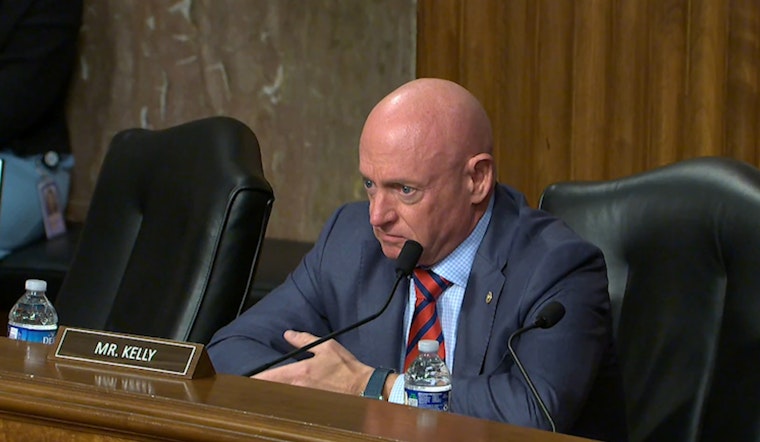
In an effort to directly address the potential dangers of social media, Senators Mark Kelly and John Curtis have introduced what's being branded as the Algorithm Accountability Act. As reported by Kelly's official Senate website, this piece of legislation aims to amend the existing Section 230 of the Communications Decency Act, infusing it with a duty of care clause for platforms wielding recommendation-based algorithms. These algorithms, integral to the operation of social platforms, will be under scrutiny to ensure they do not lead to foreseeable bodily harm or death, granting individuals who have suffered injuries the right to seek redress in federal court.
"Too many families have been hurt by social media algorithms designed with one goal: make money by getting people hooked," Kelly stated, outlining the urgency for platforms to accept responsibility where their services contribute to negative outcomes such as violence, crime, or self-harm. The legislation intends to actively allow Americans to hold these companies accountable, says Kelly. On the flip side of the bipartisan duo, Curtis stressed the age of Section 230 and its outdated capacity to cope with contemporary internet realities. "Our bill will hold them accountable," Curtis emphasised, adding weight to the act's purpose of reining in powerful tech companies.
Backlash against the unregulated power of social media algorithms has been simmering for some time. Stakeholders have voiced strong support for the Algorithm Accountability Act, touting it as critical legislation against the backdrop of a tech-savvy and interconnected society. From Arizona's Attorney General Kris Mayes—who brought legal action against Meta—to Utah Governor Spencer J. Cox, there appears to be a consensus on the necessity for a national standard that protects against the devices of deceptive and addictive algorithmic designs.
The advocacy is not just political. Amy Neville, representing The Alexander Neville Foundation, passionately backed the bill, "The Algorithm Accountability Act brings long-overdue responsibility to platforms that have operated without it for far too long," she said. Neville's sentiment was echoed by Lori Schott, who lost her daughter to suicide, driven in part by social media content algorithms. Schott thanked Senator Kelly for seriously addressing the issue that devastated her family. Jennifer Bransford of Count on Mothers underscored the nationwide plea from families, with 96% supporting federal intervention on such pressing matters surrounding children's well-being.
Additional endorsements came from figures like Utah Attorney General Derek Brow, Margaret Woolley Busse of the Utah Department of Commerce, and several foundations focused on protecting victims of social media’s negative impact. These widespread statements of support paint a clear picture of a society eager to reexamine and potentially reset the standards of digital engagement, courtesy of the initiative taken by Kelly and Curtis. More about the act, its supporters, and the full text of the legislation can be found on Kelly's Senate page.





