

























































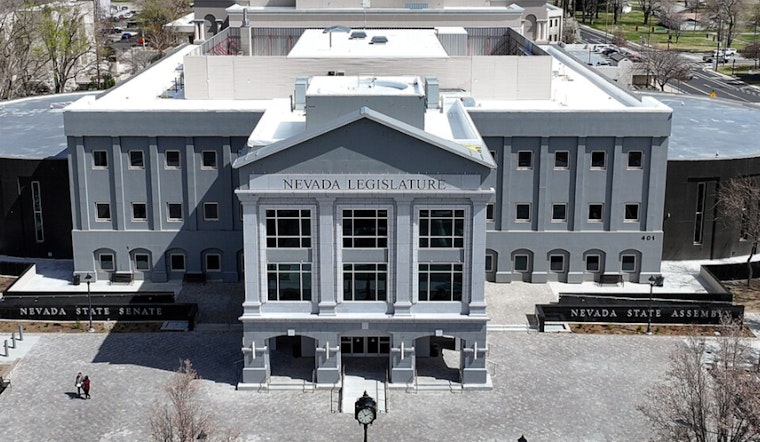
The atmosphere at the Nevada Legislature's special session in Carson City was charged as lawmakers convened to discuss a highly controversial bill proposing $1.4 billion in film tax credits. Assemblywoman Selena La Rue Hatch, D-Washoe County, triggered an immediate deadlock by demanding a vote on the rejection of the film tax bill, labeled Assembly Bill 5. Her motion nearly derailed proceedings and showcased a legislative tug-of-war. As reported by KTNV, the 21-21 tie vote highlighted that the future of the bill hangs in a delicate balance, with both dissenters and supporters equally pitched.
Debate on Assembly Bill 5 is far from resolved, as the bill needs to decisively swing votes to pass. Assembly Speaker Steve Yeager is pushing the bill, which he believes will surely create construction jobs and invite a new industry to Nevada. In a statement obtained by 8 News Now, Yeager emphasized the importance of this bill for Nevada's economy, particularly as Las Vegas sees a downturn in visitation. Opposition figures like Alexander Marks from the Nevada State Education Association, and prominent members of the state employees union, as well as some Northern Nevada Republicans, have voiced concerns, questioning the bill's urgency and potential implications.
Amid the heated discussions on the film tax credit, the special session is also tackling other pressing issues. There are ongoing conversations surrounding the implementation of enhanced public safety measures in school zones and the creation of a state-level SNAP program, as noted by 8 News Now. Republican State Sen. Jeff Stone and Democratic Senate Majority Leader Nicole Cannizarro both highlighted the importance of addressing the safety of children in school zones and the need for a robust response to the federal government shutdown’s impact on families relying on SNAP benefits.
The intense focus on the film tax credit bill is to underscore the divide within the legislative body. Drama ensued as Assemblywoman Tracy Brown May, D-Clark County, was permitted to cast her vote remotely, a decision justified by pandemic-era protocols allowing for such participation. According to KTNV, Assemblyman Max Carter, D-Clark County, criticized the procedural tactics used to delay the bill, arguing they were stunting potential progress. In contrast, La Rue Hatch held that the move represented democratic principles at work. With this strategic maneuver falling short, the film tax credit bill moved forward to the Assembly Select Committee on Jobs and the Economy, but its path to becoming law seemed as uncertain as ever.





