

























































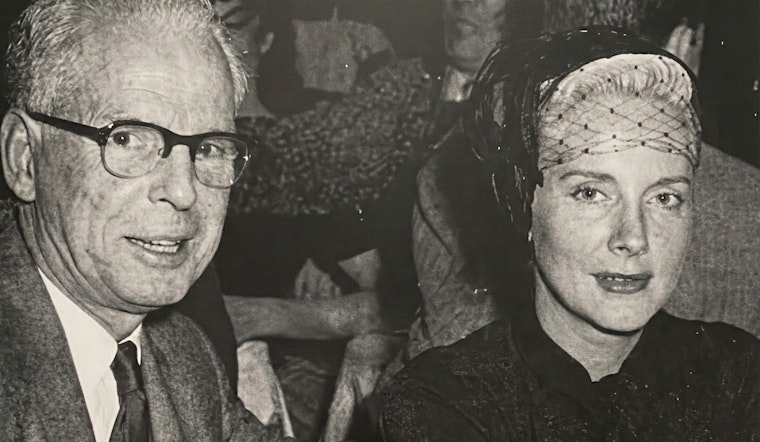
One of Wales's best-known political figures, a peer in the House of Lords, has discovered that his own family tree brushes up against the American underworld. His third cousin was Llewellyn Morris "Murray the Hump" Humphreys, a senior player in Al Capone's Chicago Outfit. The family link and fresh recollections about Humphreys surfaced again this week as the 60th anniversary of the gangster's death approached. Lord Dafydd Wigley, a former Plaid Cymru leader who entered the Lords in 2011, has said the story still sits awkwardly alongside his public life. It links rural Powys to the Prohibition-era streets of Chicago in a way that keeps readers on both sides of the Atlantic doing a double take.
Lord Wigley confirmed the family connection in comments first reported by the BBC, explaining that his grandmother and Humphreys's mother shared common grandparents. The BBC piece notes that Wigley revisited the family history as he quietly marked six decades since Humphreys's death in November 1965. Wigley told the outlet that Humphreys "was always one to use his brain first and his gun last," a line that neatly sums up the mix of charm and threat that former associates attributed to the mobster.
From Quiet Welsh Roots To Capone's Inner Circle
Born Llewellyn Morris Humphreys to parents who emigrated from Carno, Powys, the man later known as Murray the Hump rose from petty theft into the heart of Chicago's Outfit as a political fixer and labor racketeer. The 1929 St. Valentine's Day Massacre, the infamous ambush on North Clark Street that left seven men dead, remains the most notorious episode tied to Capone's reign and sits firmly in the record of the Outfit's rise. Historians credit Humphreys with helping to corner unions and with developing early methods for channeling illicit profits into legitimate businesses, work that pushed the Outfit's influence far beyond simple street violence. Those events are documented in historical summaries and in reporting about Humphreys's later life at outlets such as KGOU.
FBI Raid And A Contested Death
Federal investigators trailed Humphreys for decades and by the 1960s the pressure was closing in. FBI counter-mob agent William F. Roemer Jr., who pursued Humphreys for years, recounts the November 23, 1965 raid on the mobster's Marina City apartment and the arrest on a perjury charge. Roemer recalls one agent shouting, "Murray, for Christ's sake, you know we're FBI agents. Put down the gun," before Humphreys was taken into custody. He was released on 100,000 dollars bail and found dead at home that evening, with the Cook County coroner listing a heart attack as the cause. The circumstances, along with later questions over an intravenous mark noted before cremation, are laid out in Roemer's memoir and subsequent reporting, as detailed in Roemer: Man Against the Mob.
Wales, Reputation And The Personal Story
Wigley said he first confronted images of this family past on a 1964 trip to Wales and recounted that Humphreys once hailed a cab to Carno during that visit, according to the BBC. The peer also told the outlet that Humphreys owned four farms in Powys and granted tenants the freehold while he was in the area, small local details that make the transatlantic tie feel surprisingly intimate. For Wigley, the tale is both cautionary and personal, a reminder that respectable public lives can trace back to very different histories. For Chicago observers, the account reopens a familiar chapter in local mob lore with an unexpected family link to the British political establishment.
Why Historians Keep Returning To The Outfit
Scholars and former agents argue that Humphreys illustrates how the Outfit turned quick criminal cash into long-term leverage over labor, business and politics. As recounted in Roemer's memoir and explored in later studies of the Outfit, men like Humphreys usually worked in the shadows, buying access and shaping institutions instead of chasing headlines. The BBC's piece, timed to the 60th anniversary of Humphreys's death, nudged Lord Wigley's memories back into public view and highlighted how a single family line can cut across very different civic worlds. Whether in Cardiff or Chicago, the story is a pointed example of how local histories sometimes collide in the unlikeliest places.





