

























































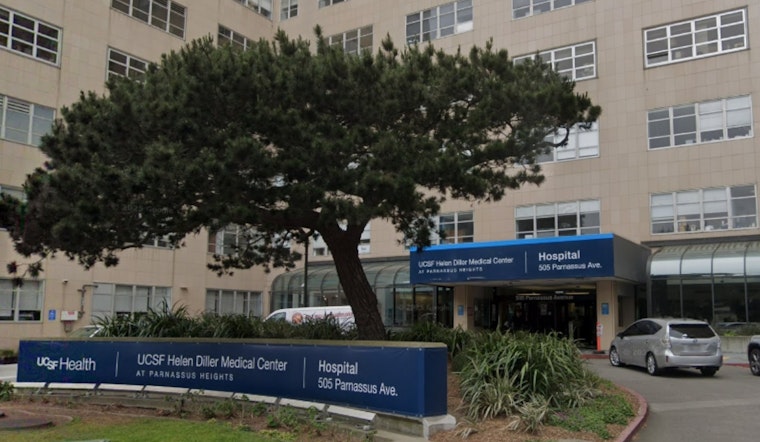
A new database from the San Francisco Chronicle is pulling back the curtain on hospital safety problems across California, giving Bay Area patients a clearer look at where things have gone wrong inside local medical facilities.
The searchable tool compiles state inspection narratives and deficiency reports into a single interface, highlighting specific sentences that may describe patient harm. For families trying to decide where to seek care, it offers a rare, document-by-document view of what regulators say they found inside hospitals, clinics, and nursing homes.
Reporters gathered the records in November 2025 from the California Department of Public Health's Cal Health Find site. They assembled inspection reports dated from January 2022 through November 2025, according to the San Francisco Chronicle. The dataset includes roughly 40,000 deficiency reports. After excluding facilities with no public reports, there were about 10,000 facilities in the tool, and approximately 4,000 of those had at least one regulatory violation. The Chronicle then grouped facilities by type and bed size, calculating violations per bed so users can see whether a particular facility racks up more or fewer citations than its similar peers.
To tease out possible patient-harm incidents buried in lengthy inspector narratives, the Chronicle utilized an AI model (GPT-5) to identify exact sentences that appeared to describe harm. It limited the model to returning only the sentence it identified. A second model and human review then removed ambiguous flags, the San Francisco Chronicle reported. In a test sample of 1,000 reports, the model flagged 118 reports, and after reporters reviewed the results. Every highlighted sentence in the tool links back to the original Form 2567 inspection report, allowing readers to see the full context.
How The Database Was Built
The raw inspection documents originate from Cal Health Find, the public database used by the California Department of Public Health to post licensing and inspection information for approximately 16,000 licensed and certified facilities, according to the California Department of Public Health. Cal Health Find shows complaints, incidents reported by facilities, enforcement actions, and the CMS-2567 deficiency reports that inspectors file. The state site only displays the last three years of reports, which is why the Chronicle limited its scrape to 2022 and later. Each deficiency document includes the inspector's narrative and the specific citations, which readers can download for full detail.
What Bay Area Patients Should Look For
The Chronicle sorted citations into broad categories such as staffing, infection control, restraints, patient injury, and others, then color-coded facilities based on violations per bed compared with peers. When you pull up a hospital, it is worth focusing on how recent the citations are and how serious inspectors rated them, not just the raw number. A single, older citation tells a very different story from repeated violations across multiple surveys.
Stronger Penalties For Staffing Violations
In 2025, the state tightened enforcement with SB 596, which outlines what constitutes exhausting an on-call list and directs regulators to treat violations on separate days as separate offenses, according to bill text posted on LegiScan. Existing law already allows the health department to assess administrative penalties, historically $15,000 for a first staffing violation and $30,000 for a second. SB 596 makes it harder for hospitals to roll multiple problems into a single event so they can avoid repeat penalties, a shift that could raise the stakes for the staffing-related citations that show up in the Chronicle's tool.
Nurse unions that backed the bill praised it as closing a loophole that let hospitals claim phantom staffing resources, SEIU 121RN said in a post. Hospital groups told lawmakers during committee hearings that enforcement should account for the financial and workforce pressures on small and rural hospitals, according to CalMatters. For patients, the bottom line is more practical than political: treat the inspection narratives as a starting point and ask hospitals specific questions about any recent staffing or infection-control citations.
To use the tool, search by hospital name, city, or county, then click a facility to see its list of deficiency reports and read the highlighted sentences in full context. Keep in mind that inspection reports are snapshots of investigations. They do not always show the corrective steps a facility took afterward. What they do provide is official documentation of what inspectors say they observed. For Bay Area families, this means a new perspective on local hospitals and a set of concrete documents to bring when pressing providers about safety and staffing.


