

























































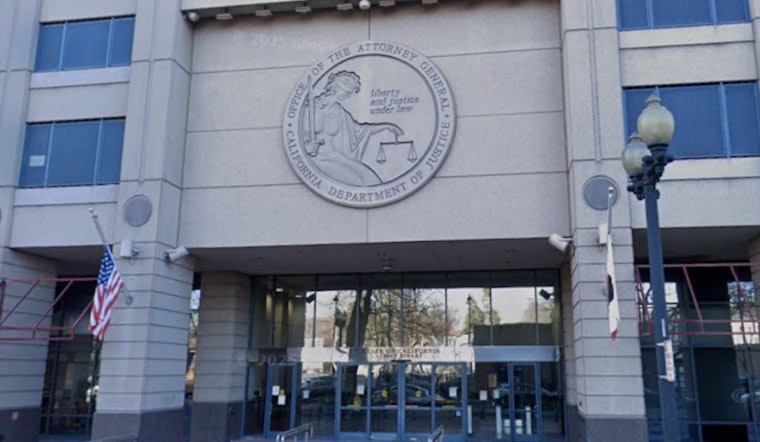
Attorney General Rob Bonta says long-shelved sexual assault evidence kits are finally delivering answers. Today, he announced that DNA testing of rape kits helped crack a cluster of multi-jurisdictional cold cases and led to one arrest, with investigators now tying a suspect to seven victims in four jurisdictions from 1994 to 2008. Bonta used the moment to lean on every California law enforcement agency, public crime lab and medical facility to audit and submit any untested kits ahead of the statewide deadline of July 1.
How DNA Testing And Grants Produced A Lead
According to the California Department of Justice, grant funding and forensic support, including a familial DNA search, generated a key lead that investigators then used to connect evidence from tested kits across multiple jurisdictions, ultimately ending in an arrest, as outlined by the Attorney General's Office. “Victims of sexual assault deserve to be supported in both word and deed,” Bonta said, with the DOJ crediting coordinated testing and interagency work for finally closing the loop on cases that had been cold for decades.
What SB 464 Requires And The July 1 Deadline
Under Senate Bill 464, law enforcement agencies, public crime labs and medical facilities must audit all untested sexual assault evidence kits and create records in the state's SAFE-T database for untested victim kits by July 1, 2026. The DOJ is then required to compile a statewide report by July 1, 2027, and the law preserves survivors' ability to request that a kit not be tested while setting retention and reporting rules for untested evidence, per SB 464.
Local Labs, Grants And The Long Work Ahead
Local reporting shows Berkeley detectives first tested evidence from a 2002 case after a 2015 grant from the Alameda County district attorney's office, which produced a case-to-case DNA match linking five additional cases. Later state grants funded work on more than 500 cold investigations. That detailed lab work and cross-jurisdiction collaboration are exactly the kind of progress Bonta's office says the statewide audit is supposed to speed up, as reported by KTVU.
Legal Implications
Practically speaking, SB 464 requires agencies to inventory and report untested kits, explain why any kits were not submitted for testing, and avoid including identifying information in SAFE-T records. The statute also directs the DOJ to publish the audit results to the Legislature. Agencies that need help with the reporting format can contact the DOJ's Bureau of Forensic Services, which the Attorney General's office says is available to provide templates and technical assistance, according to the bill text and the DOJ release.
Bonta's announcement lands as the first big audit deadline approaches, and his office says agencies can request a reporting template and assistance at [email protected]. Read the Attorney General's press release from the Attorney General's Office, or view his post on X.
We’ve helped solve a series of multi-jurisdictional sexual assault cold cases by testing sexual assault evidence kits.
— Rob Bonta (@AGRobBonta) April 23, 2026
All CA law enforcement, crime labs, and medical facilities must audit and submit untested kits.
Together we can collectively seek justice for survivors.… pic.twitter.com/cRCXRSFGxX




