

























































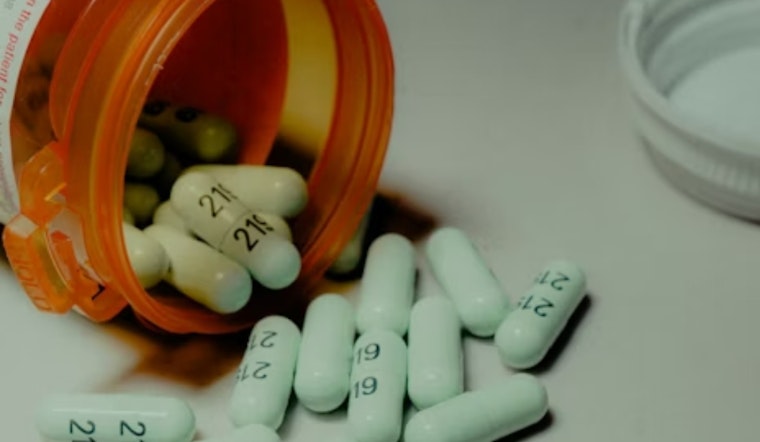
El Paso is sitting on roughly $5.2 million in opioid settlement money, and most of it is still in the bank while local leaders hash out what to do with it. City, county and hospital officials are weighing plans for treatment, naloxone distribution and long‑term recovery projects. Meanwhile, residents and harm‑reduction advocates warn that the window to buy lifesaving supplies is not exactly generous, and patience is wearing thin.
The money is split among three recipients: the City of El Paso, El Paso County and the El Paso County Hospital District, also known as University Medical Center (UMC). Together they have received about $5.2 million so far, with roughly $824,000 for the city, around $1.74 million for the county and about $3.2 million for UMC. Only about $1 million has actually been moved into programs, according to reporting by El Paso Matters.
The payments are part of Texas’ broader opioid settlement system, which is administered through the state’s Opioid Abatement Fund Council and the comptroller’s office. State officials expect billions of dollars from national settlements to flow into Texas over time, with installments going to counties, cities and hospital districts, according to the Texas Comptroller of Public Accounts and the Texas Attorney General.
Where county money has gone
Of the three local entities, El Paso County has moved the fastest, at least on paper. County records and invoices show settlement dollars going to architects and contractors tied to the Corbin Sambrano wellness‑center site and other early project work.
The full buildout of that wellness center is pegged at more than $29 million. County officials told local television that demolition, environmental analysis and design work at the site are being paid for with a mix of funding sources that includes opioid settlement dollars. The planned demolition of the former Naked Harem building and related county comments were detailed by KVIA.
Hospital district purchases and city hold‑up
UMC, which received the largest local share, shows some movement in its procurement records even though its state report listed no active settlement projects. Public invoices include a summer 2025 purchase of clinical‑surveillance software from Vigilanz that was tied to the settlement funds.
On the city side, officials said El Paso had not spent its opioid settlement allocation as of Nov. 12 while departments such as public health, fire and police work together on a coordinated plan. That planning includes a PHIX dataset and dashboard intended to guide where the money goes, according to public records and reporting by El Paso Matters. The regional health‑information exchange PHIX lists Dr. Hector Ocaranza as one of its board members.
Transparency and accountability
Researchers say the slow pace of spending is not just a local quirk. A Rice University Baker Institute analysis of Texas jurisdictions found uneven reporting and a significant share of settlement dollars sitting uncommitted. The report urged clearer public accounting so residents can tell whether the money is actually cutting overdose harms or just resting in government accounts.
State guidance requires that opioid settlement proceeds be used to address opioid‑related harms and spells out reporting expectations for hospital districts and political subdivisions. The comptroller’s opioid site explains how the money is distributed and what the reporting framework looks like. For a detailed look, see the Baker Institute analysis and the Texas Comptroller.
What to watch next
Local officials say additional payments are likely in 2026. If El Paso wants to see quick impact, they argue, the best route will be coordinated budget moves, targeted harm‑reduction buys such as naloxone and medication‑assisted treatment and public dashboards that show residents what is happening with the money.
The statewide settlement framework, along with the attorney general’s summary, makes clear that payments will keep coming for years and will shape which projects can qualify and when. For now, advocates are watching city and county budget calendars and upcoming council meetings to see when the first major spending decisions land.
Bottom line for El Paso
El Paso has a modest but meaningful pot of settlement money on hand and a decision to make. Leaders can move quickly to buy lifesaving supplies and expand low‑barrier treatment access, or they can hold the money for larger, slower capital projects that aim to build up long‑term recovery infrastructure.
With local health officials working on a PHIX dashboard and city and county budget cycles lining up in early 2026, residents will need to keep an eye on public hearings and agendas. The real test will be whether those millions stay in bank accounts or finally turn into programs that help prevent overdoses.


