

























































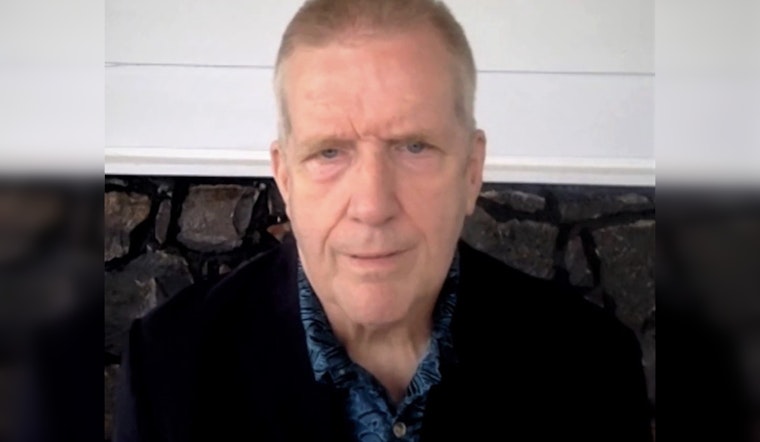
Honolulu Prosecuting Attorney Steve Alm has determined that a Honolulu police corporal was legally justified in using deadly force during a summer barricade at Keʻehi Boat Harbor. The June standoff ended when officers shot Christian Javin Latimore, who later died at a hospital. No criminal charges were filed against the officer, though questions remain about the handling of the confrontation and the subsequent medical response.
How the standoff unfolded
Honolulu police reported that the incident began early on June 22, when the owner of another boat said they had been shot at in the harbor. Responding officers found Christian Latimore barricaded on his vessel at the pier. Members of the Specialized Services Division, crisis negotiators, and state law enforcement support units were called in and spent hours urging Latimore to surrender, while officers attempted a series of less-lethal tactics, including multiple attempts to use a Taser.
The standoff continued into the afternoon before a marksman fired a single round that struck Latimore. He was taken to a hospital, where he was pronounced dead. Negotiators had made repeated efforts over several hours to resolve the situation without violence, according to Hawaii News Now.
Weapons, the shot and tactical response
Officers tried a range of non-lethal tools, including tasers, 40 mm launchers and pepper balls, before a specialized sergeant fired once and hit Latimore in the face, according to reporting by the Honolulu Star-Advertiser. Investigators and prosecutors later concluded that the shot came from a .308 rifle at a distance of about 66 yards, fired during a moment when Latimore briefly pointed what was later determined to be a pellet rifle at officers.
Officers employed various non-lethal tools, including Tasers, 40 mm launchers, and pepper balls, before a specialized sergeant fired a single shot that struck Latimore in the face. Investigators and prosecutors later determined that the shot was fired from a .308 rifle at a distance of about 66 yards, during a moment when Latimore briefly aimed what was later identified as a pellet rifle at officers.
Medical examiner's findings and questions about care
The city Department of the Medical Examiner determined that Latimore died from a gunshot wound to the face, noting a relatively slow hemorrhage and partial asphyxia, and concluded that his death resulted from those injuries. A physician cited in investigative reports told officials that Latimore would likely have survived if he had been moved to medical care immediately after being shot, while also noting that complications can occur.
Toxicology tests detected traces of methamphetamine in Latimore’s system, as per Aloha State Daily, which also summarized the medical findings and related details.
Prosecutor's ruling and reaction
Alm said his office’s review found that the corporal’s use of deadly force met the legal standard and that no criminal charges would be filed. He described the incident as a case of suicide by cop and noted the officers’ patience during the prolonged encounter.
Alm told reporters that Latimore, an Army veteran, had a rifle that appeared to be a shotgun and posed a lethal threat to officers, and that medics and negotiators had attempted multiple methods to end the standoff safely. Interim Honolulu police leaders also praised the response and the officers’ professionalism.
Aftermath and oversight
The prosecutor’s ruling closes the criminal investigation into the shooting but does not address broader questions about response times and tactics during extended barricade situations. The medical examiner’s finding that Latimore might have survived with faster treatment has drawn scrutiny and is expected to inform ongoing discussions about training, de-escalation, and use-of-force policies in Honolulu.





