

























































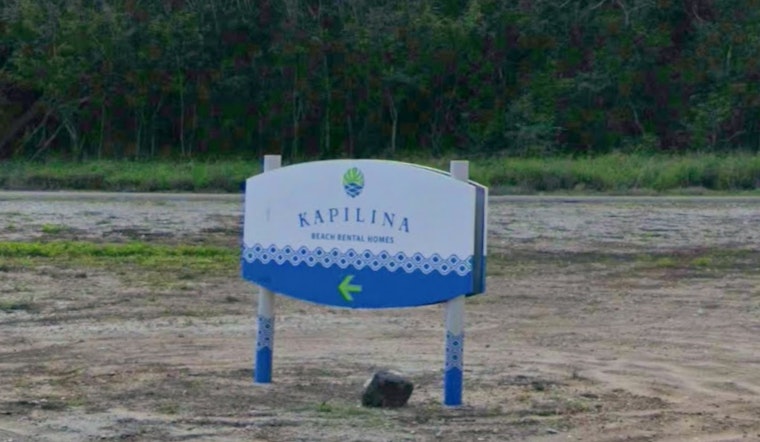
At Kapilina Beach Homes in Ewa Beach, families say their electricity bills have suddenly gone haywire, with some charges more than doubling and others shooting past $1,000. The timing has been brutal, landing right in the middle of the holiday crunch. One resident, Suani Bowers, put it bluntly, telling reporters, “It’s bullying.” Neighbors say they are now snapping daily photos of their meters and pressing the companies that bill them to spell out exactly what is going on.
Residents Report Bills Jumping Overnight
Tenants told Hawaii News Now that their bills have swung wildly in recent months. Bowers said her household’s longtime average of about $178 a month has suddenly been replaced by charges ranging from roughly $107 to nearly $800. Another resident said a total utility bill that had been $452.98 spiked to $1,188.91, with the eye-popping statement landing on Christmas Eve. Tenant Michelle Poppler reported that her electric charge alone climbed above $500 and that the higher bills have stuck around for two months, squeezing already tight holiday budgets.
Complex Billing, Old Navy Grid Add Context
The power setup at Kapilina is not straightforward. The neighborhood sits on a former Navy base and, according to Honolulu Civil Beat, the property manager Greystar buys electricity from the U.S. Navy and then bills tenants directly instead of going through Hawaiian Electric. Current and former residents say that manual meter checks that were used in prior years stopped working and that new software-based monitoring now appears to be misreading usage. Because the property manager and its outside billing vendor control the meter data and the statements, tenants say sorting out disputes can feel like trying to audit a black box.
Federal Lawsuit Exposes Deeper Concerns
One former tenant, Paul Alpha Grant, has taken the fight to federal court, filing a lawsuit that claims a pattern of utility overbilling and attaching photographs and billing records to back it up. On Monday, the U.S. District Court granted the defendants’ motion to dismiss some of his claims but allowed him the opportunity to amend, according to Justia. In his filings, Grant names Conservice as the third-party billing company and alleges that meter readings taken in the field did not always match what tenants were ultimately charged.
Regulatory Gaps Leave Tenants With Few Options
Local coverage has also underscored how Hawaiʻi’s consumer-protection rules can leave renters with limited leverage when they suspect something is off with landlord-controlled utilities. The Hawaiʻi Office of Consumer Protection told reporters it has not received complaints about Kapilina, and tenant advocates said state rules typically push individual renters toward private legal action rather than direct regulatory intervention, according to Honolulu Civil Beat. Tenants say that reality makes it much harder to secure an independent audit of how their power is being metered and billed.
Manager Outreach And Resident Next Steps
Hawaii News Now reports that it contacted Kapilina Beach Homes for comment and is waiting for a response from management. In the meantime, residents say they are continuing to photograph their meters, log daily readings, and compare those numbers to their bills. One particularly detailed tracking effort is included among the exhibits in Grant’s federal court case, according to Justia. Families say they want an independent review of the submetering system and clearer, more responsive billing practices from Greystar or its vendors.





