

























































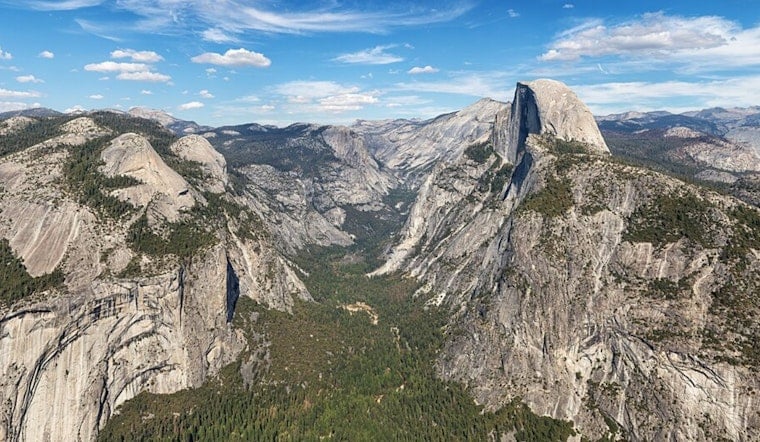
On the western edge of Yosemite National Park, the Southern Sierra Miwuk Nation has reclaimed nearly 900 acres of ancestral land on Henness Ridge, restoring a foothold above the Merced River canyons that tribal members have fought to regain for generations. The land transfer returns a landscape that has long been squeezed by logging, development, and wildfire to tribal stewardship, opening space for ceremonies, plant harvests, and traditional land management. Tribal leaders say the ridge will serve as a sanctuary for worship, gathering, and the harvesting of food, fiber, and medicine for the community.
According to the San Francisco Chronicle, the parcel, roughly 897 acres on Henness Ridge, was transferred this week from the Pacific Forest Trust, which bought the property about two decades ago to block vacation-home development. The transaction was underwritten by a $2.4 million grant from the California Natural Resources Agency’s Tribal Nature-Based Solutions Program. "We know how to take care of the land," Tribal Council Chair Sandra Chapman told the paper, adding that the tribe wants "a space where we can start to congregate" and clean up the landscape.
How Henness Ridge Was Protected And Restored
The Pacific Forest Trust moved to protect Henness Ridge when development pressure intensified, then shifted its focus to ecological recovery work after the 2018 Ferguson Fire. The organization removed dangerous snags, thinned overstocked stands, and improved conditions for reforestation. It reports planting and preparing roughly 125,000 native seedlings and completing restoration work on about 500 acres burned in 2018, so the land would be ready for long-term stewardship. Those efforts, the trust argues, helped create a more resilient parcel that the Southern Sierra Miwuk can now manage using traditional ecological practices.
State Funding And The Tribal Nature-Based Solutions Program
The transfer was supported in part by a grant from the California Natural Resources Agency through its Tribal Nature-Based Solutions program, which the agency created to fund ancestral land returns and tribal-led habitat restoration across California. Agency materials note that the program’s awards have helped return tens of thousands of acres to tribes and support cultural-fire and habitat projects statewide. The San Francisco Chronicle reported that the Henness Ridge award totaled $2.4 million for this transaction.
Tribal Stewardship: Cultural Fire, Food And Medicine
Southern Sierra Miwuk leaders say they plan to use prescribed and cultural burns, reforestation, and native-plant restoration to revive oak woodlands, meadows, and springs, and to steward culturally important foods and medicines. The tribe has pursued federal recognition for decades, and its Southern Sierra Miwuk Nation site notes that having a land base strengthens cultural continuity, self-governance, and legal standing for those efforts. The Southern Sierra Miwuk and their partners have also been working to rebuild Wahhoga, a traditional village in Yosemite Valley, underscoring that this land return is part of a broader cultural restoration push. The U.S. Forest Service has documented those Wahhoga rebuilding efforts on its Tribal Relations blog.
Why It Matters For Fire And Wildlife
Observers suggest that returning Henness Ridge to Indigenous stewardship can enhance wildfire resilience and strengthen wildlife corridors connecting Yosemite and the Sierra National Forest, thereby creating a buffer for the park and the Merced River watershed. The ridge overlooks both branches of the Wild and Scenic Merced River, providing strategic habitat connectivity. Advocates note that cultural fires and native-plant restoration can reduce the risk of high-severity wildfires while restoring biodiversity, as reported by National Parks Traveler. The Henness Ridge hand-back offers a public case study in how tribal stewardship and conservation goals can line up.
For the Southern Sierra Miwuk, the transfer is both a symbolic homecoming after generations of displacement and a practical foundation for cultural renewal and land management. Tribal and conservation partners say the Henness Ridge deal could serve as a model for future land returns across California.





