

























































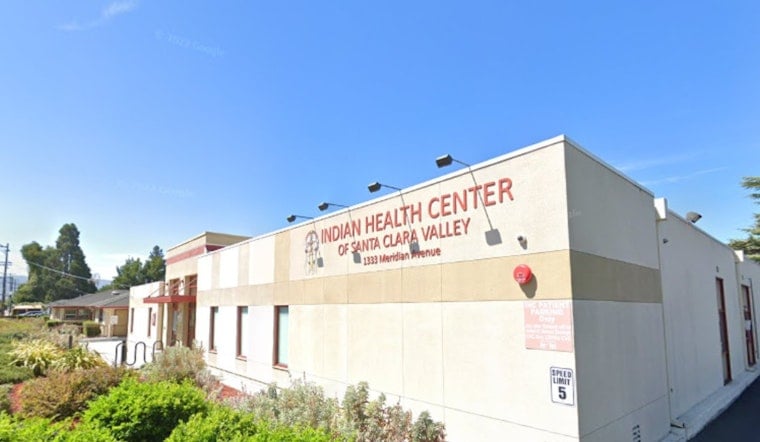
A first-of-its-kind report from the Indian Health Center of Santa Clara County is putting hard numbers to a crisis many Native families in the Bay Area say they have lived with for generations. The community-led study documents staggering levels of violence, disappearance and homicide among Indigenous residents in Oakland, San Francisco and San Jose, and links that crisis to decades of displacement, data misclassification and chronic underfunding that have left families without answers. Tribal leaders and county officials say the findings leave little room for delay on better data collection, funding and culturally centered care.
Key findings from the Bay Area survey
The Indian Health Center’s executive summary, drawn from 254 survey respondents across Oakland, San Francisco and San Jose, reports that roughly half of participants said they had a missing relative and 55% said a relative had been murdered. The report also found that 54% of respondents had experienced sexual assault, 56% had experienced domestic violence, 26% reported misusing alcohol and more than 70% said they had experienced abuse by age 10. These figures are detailed in a report by the Indian Health Center of Santa Clara County.
Data gaps deepen the crisis
The new local numbers land in the middle of a long history of official undercounting that hides urban victims and frustrates investigations. The Urban Indian Health Institute’s national work has shown how official records and local responses miss many cases, and when UIHI reviewed records for San Jose, it found zero cases, in part because agencies did not respond to records requests (Urban Indian Health Institute). At the federal level, the NCIC reported 5,712 missing American Indian and Alaska Native women and girls in 2016 while the national NamUs clearinghouse logged just 116 entries, a discrepancy noted by federal agencies and tribal advocates (Bureau of Indian Affairs).
Voices from the community
Sonya Tetnowski, CEO of the Indian Health Center, said, "This is happening to us right now," and prevention director Anecita Miller warned that data misclassification erases Indigenous people, both in remarks to San José Spotlight. Families and advocates say the numbers finally give them concrete evidence to press for better investigations, culturally grounded services and long-term healing.
Policy fixes advocates want
Muwekma Ohlone chair Charlene Nijmeh has called for improved data collection that is disaggregated by tribe, full implementation of the Savanna’s Act and Not Invisible Act provisions, and increased funding for culturally grounded prevention and response programs. Santa Clara County Supervisor Betty Duong said the county must respond with "culturally centered care rooted in trust and healing." Those comments were reported by San José Spotlight. The U.S. Department of Justice outlines the Savanna’s Act implementation and its data- and training-focused provisions on its Tribal Justice and Safety pages, and the U.S. Department of the Interior has transmitted the Not Invisible Act Commission recommendations to federal agencies to improve intergovernmental coordination.
Local context and next steps
Native Americans account for about 1.2% of Santa Clara County’s population, which makes misclassification especially damaging to local counts and services (U.S. Census Bureau). The county’s reported sexual assault rate averaged roughly 101 incidents per 100,000 females from 2018 to 2022, a data point the report’s authors say underscores the need for prevention and trauma-informed care (California Budget & Policy Center). Community groups say next steps must include county investment in culturally specific prevention, expanded victim services and law-enforcement training to reduce misclassification and improve investigations.
The Indian Health Center has posted the executive summary online and says it will use the data to guide local prevention, outreach and healing work for Indigenous families. County officials have not yet announced new funding tied to the findings, but advocates say the report provides residents with a concrete benchmark for future progress. The full executive summary is available from the Indian Health Center of Santa Clara County.




