

























































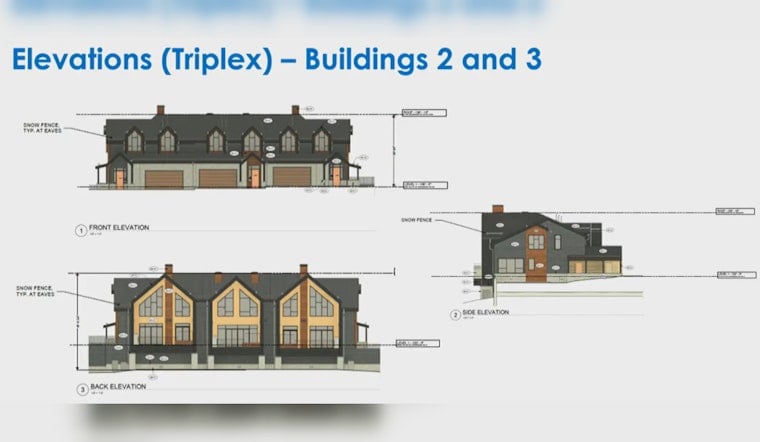
The Ritz-Carlton Residences, poised to adorn the scenic Lake Tahoe area, have inched closer to fruition as the Placer County Planning Commission gives its nod towards the project, pushing it onto the desks of the Board of Supervisors for their decisive approval. The Commission's endorsement greenlights a plan consisting of 38 condos transformed into 18 distinct mountain chalets, accompanied by a 184-space parking structure and an elevated walkway bridging the expanse to the adjoining hotel—the Ritz-Carlton.
The footprint of this ambitious undertaking is not entirely novel, having first been envisioned as part of the grander Northstar Highlands blueprint back in 2005. The original concept proposed 41 condominiums destined for timeshare enjoyment or complete ownership, a vision disrupted and deferred by the unforeseen tremors of the 2008 economic downturn, which resulted in the land serving as a makeshift staging and parking expanse until plans resurfaced. According to an official release by Placer County, the property was later given the green light in 2014 to support hotel employee parking on an extended basis with the caveat of introducing off-street parking solutions when developments recommenced.
In a trimmed-down yet equally plush iteration of its former self, the development takes shape through 18 chalet accommodations that slot neatly into the county's short-term rental ordinance as "condo-hotel" units. The scheme offers chalet proprietors the luxury of leveraging the Ritz-Carlton's Voluntary Rental Program, enabling them to rent out their spaces whenever they choose; this feature already manages the 23 units presently vended within the hotel confines.
Transitioning from residential multi-family zoning to a resort designation, the project also calls for a consequential shift in the Martis Valley Community Plan, rezoning necessary to preserve the "condo-hotel" operational model within the tourist/resort commercial fold. The need for an environmental examination did not stall proceedings as an addendum to the 2005 environmental report was deemed sufficient for satisfying California Environmental Quality Act prerequisites, finding no new or significantly exacerbated environmental concerns compared to prior assessments.
Looking ahead, as the year turns over, so too does the next page of the project's fate, with Placer County Board of Supervisors expected to bring their deliberations to the table in early 2026.





