

























































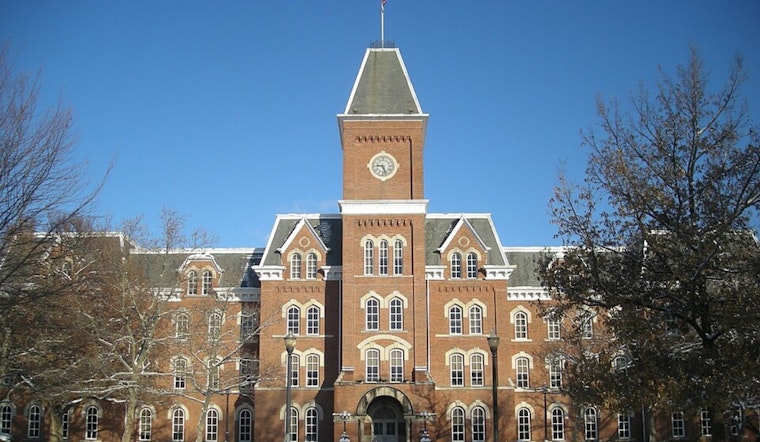
Outside the Ohio State University Board of Trustees meeting on Thursday, a group of steadfast survivors gathered, their presence a stark reminder of a painful history. They stood there to represent at least 177 students who an independent investigation commissioned by the university itself, were found to have been sexually abused by former Ohio State doctor Richard Strauss, who died in 2005. This somber congregation outside the board's meeting was protesting a legacy of silence and seeking acknowledgment of the trauma that persists, as reported by WBNS.
In stark contrast to the vocal presence of the survivors outside, no member of the board gave acknowledgment to the survivors during the meeting. Meanwhile, with an ongoing legal process threading through the fabric of this painful discourse, Ohio State University's Athletic Director Ross Bjork spoke to NBC4i, affirming, "You know, that’s a legal process that has to play out — that’s fair to the process — again, we always think about the victims and are always going to have them in our hearts." His statement casts a light, albeit dimly, on the institution's stance amidst the quiet roar of the survivors' pleas for justice and recognition.
The echoes of the past continue to reverberate through the hallowed halls of Ohio State University. But despite the gravity of the situation and the force of the protest, which seeks to hold the institution accountable for its historical oversights, the survivors find themselves existing in the interstices—recognized in reports and articles yet somehow unseen within the structures of power where decisions about their redress are deliberated. The Board of Trustees meeting became yet another tableau of the deep chasm between the lived experiences of the survivors and the formalities of institutional proceedings.



.jpg)