

























































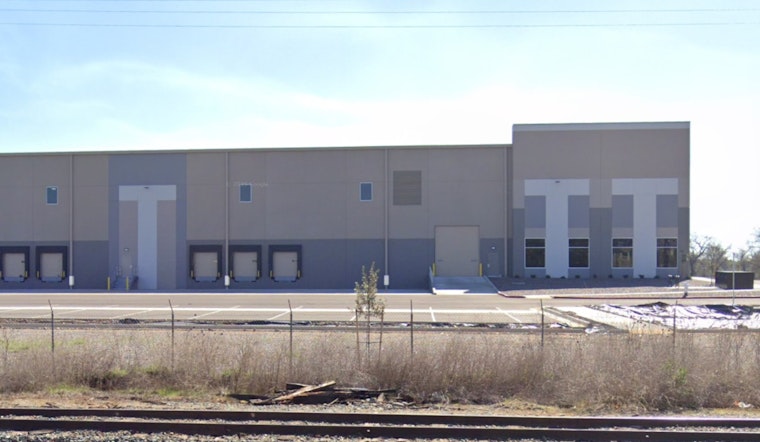
Trader Joe's is cranking the thermostat way down in Rancho Cordova. A contractor just pulled a roughly $48 million building permit to pack a massive amount of new refrigerated space into an existing industrial warehouse, a move that would almost double the building's size and beef up the grocer's temperature-controlled footprint in Sacramento's busy logistics corridor.
Permit Filing Signals A Big, Fast Build
According to the Sacramento Business Journal, Uprite Construction is listed on the permit for the cold-storage expansion, with the work valued at about $48 million. The outlet reports that the project will add both freezer and chilled storage to the site, a build-out that would effectively double the footprint of the existing warehouse.
Where The Expansion Lands
The refrigerated build is part of Trader Joe's planned logistics campus at 12100 Atlanta Circle, a roughly 55-acre site in the Rancho Cordova Logistics Center, according to state project filings. Those documents note that the property was once part of the Aerojet facility and that any new construction must include vapor-mitigation systems and other safeguards because of historic soil and groundwater contamination. As laid out in CA.gov's CEQA filing, the cold-storage work fits into a staged development plan for the wider campus.
How The Project Got Here
Trader Joe's acquired the 441,000-square-foot building at the Atlanta Circle address earlier this year, with the deal first surfacing in January. Since then, public records show a steady uptick in permits tied to tenant improvements and refrigerated-warehouse work at the site. Construction-tracking tools list a high-value expansion permit for the address in 2025, consistent with the newly pulled cold-storage permit. Earlier reporting on the purchase appears in the Sacramento Business Journal, and permit activity is logged on BuildZoom and other public aggregators.
Why The Extra Freezer Space Counts
New cold storage on this scale matters because refrigerated facilities remain a critical piece of the puzzle for grocers, food distributors and shippers that handle temperature-sensitive goods, even as the national market works through a recent rush of new projects. Industry research from Newmark points to ongoing structural demand for modern cold-chain capacity close to population centers, which helps explain why grocery chains are pouring money into their own logistics campuses instead of leaning entirely on third-party providers.
Environmental Guardrails On A Superfund Site
Because portions of the Rancho Cordova site sit inside the Aerojet Superfund area, state documents require passive vapor-mitigation systems under new concrete slabs, along with long-term monitoring. Those systems must be capable of conversion to active vapor extraction if future readings warrant it. The CEQA materials make continued vapor monitoring and land-use controls conditions of approval for new buildings, with the goal of allowing industrial reuse while protecting workers and nearby communities. CA.gov's CEQA filing details the mitigation and oversight framework.
What Happens Next
The freshly issued permit is a big procedural step, but it does not flip the switch on operations. The project still has to clear plan check, city inspections and any remaining approvals before construction crews can fully mobilize. If the timeline holds, the expansion will deliver a substantial new block of refrigerated capacity to the Sacramento region, bringing an initial surge of construction jobs followed by longer-term logistics roles tied to the site's cold-chain operations.




