

























































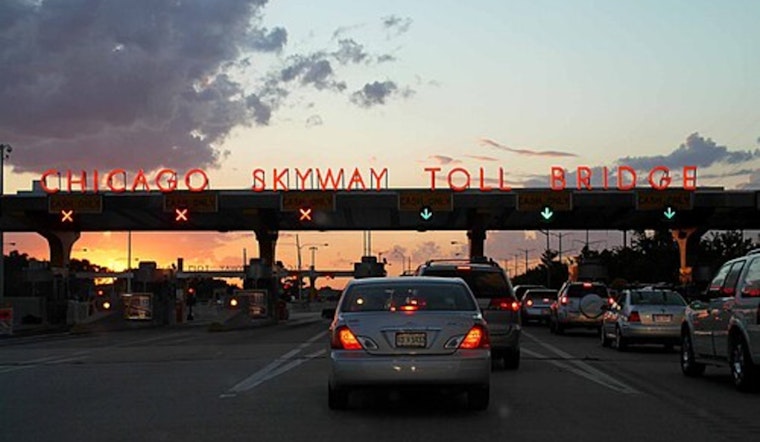
Chicagoans are bracing for a costlier start to the new year as a slew of price increases hit essential and everyday services. Notably, CBS Chicago reports a 30-cent hike in the Chicago Skyway toll now sees drivers with two-axle vehicles paying $8.10 to cross into Indiana. Vehicles with additional axles will face higher rates during peak times from 4 a.m. to 8 p.m.
The toll increase marks a continuation of a trend that has seen skyway rates swell by over 200% since the road's privatization 21 years ago. ABC 7 Chicago notes significant increases in utility rates, with Nicor's rate hike having taken effect last year and ComEd's commencing just recently.
The burden on the budget doesn't end with utilities, as grocery shoppers will now pay 15 cents for each bag at checkout, a 50% increase from the previous 10 cents. Moreover, an additional $1.50 has been added to rideshare services for trips that involve pick-ups or drop-offs within Chicago's designated congestion zone. Jim Chilsen from the Citizens Utility Board conveyed the strain on consumers by emphasizing utilities as a necessity for a safe and warm home environment.
Starting March 1, the cost of liquor is set to rise as well, with a 1.5% tax being applied to all purchases meant for off-site consumption. While residents are adjusting to the new toll rates on the Chicago Skyway, they are also seeing a notable uptick in homeowner insurance premiums. Clients of Allstate face an average increase of around 9%, following State Farm's significant 27% hike last summer, while health insurance premiums for Get Covered Illinois loom large with a potential average increase of 78% unless there is congressional intervention.
A silver lining is offered to low-income residents, who are eligible to apply for discounts on their utility bills. While these price hikes may stretch budgets, residents have the option of using various payment methods for the increased Skyway tolls, including cash, credit cards, and E-ZPass/I-Pass.





