

























































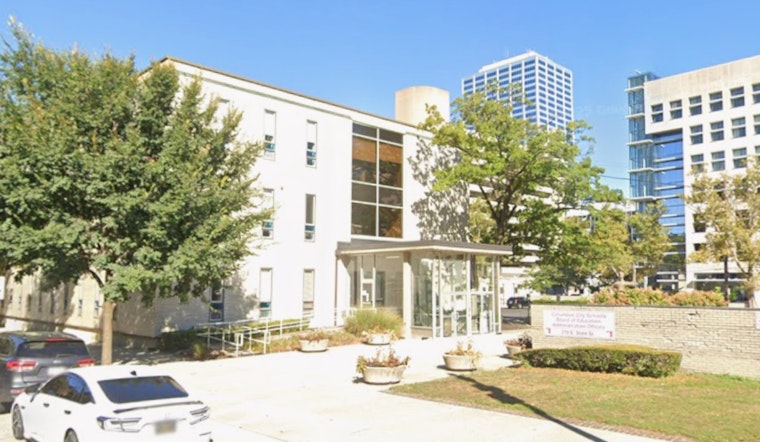
In an effort to marry fiscal foresight with ecological stewardship, Columbus City Schools (CCS) took a significant step last December with the adoption of the Safe Green Schools policy. According to a report by Columbus City Schools News, this new mandate aims to replace fossil fuels with fully renewable energy sources by the year 2035. This transition not only anticipates cutting long-term energy expenses significantly but also fortifies the resilience of school infrastructures against increasingly volatile weather patterns.
CCS estimates that the investment in technologies like geothermal heating and cooling, and solar energy will also equate to improved learning spaces. As the CCS Buildings and Grounds Director, Jeffrey Roe told Columbus City Schools News, "Our department has seen firsthand the success of this technology in six schools like Liberty and Starling, which currently stand as some of our most reliable and energy-efficient facilities." These sites exemplify the policy's goal to actively integrate energy-saving infrastructure in all future school renovations and new constructions.
Citing the fiscal and climate benefits of the policy, Columbus Board of Education Member Sarah Ingles explained, "The Safe Green Schools Policy shows that fiscal responsibility and climate responsibility are not competing priorities." Ingles further added, "By investing in energy-efficient infrastructure whenever we repair or build, we are lowering long-term costs while preparing our schools for a changing climate," per Columbus City Schools News. This directive comes on the heels of a resolution made in February 2025, which stated CCS's commitment to carbon neutrality by 2050, positioning the district as a forward-thinking player in sustainability and long-range planning.
Columbus Board of Education Member Jennifer Adair emphasized the necessity to "be thoughtful stewards of every dollar" and assured that "The Safe Green Schools Policy ensures that when we invest in our facilities, we do so in ways that reduce operating costs and maximize long-term benefits for students," according to Columbus City Schools News. By employing tools like the Energy Star Portfolio Manager, CCS has monitored a decline in greenhouse gas emissions, despite the passage of time and the interruptions caused by the COVID-19 pandemic. These improvements have been explicitly linked to measures that the district has actively put into place.
However, the ambitions mapped out by the Safe Green Schools policy reach beyond mere infrastructure. It also extends an invitation to local building and construction trades to support student learning, knitting together the threads of sustainability efforts with workforce readiness and wellness. This curriculum redesign, focusing on environmental and emerging industries, is another cornerstone of the policy. Echoing the sentiments highlighted in the policy, CCS parent Amanda King articulated, "Our children are watching us and paying attention to how we support their future," as she told Columbus City Schools News.
The Safe Green Schools policy is now the guiding document for the district's future planning, building, and maintenance work. Through this policy, CCS strives to not only confront the climate crisis but also to make certain that finances are channeled into the success of its students, cementing the district's commitment to responsible and sustainable governance as they venture into the new year.





