

























































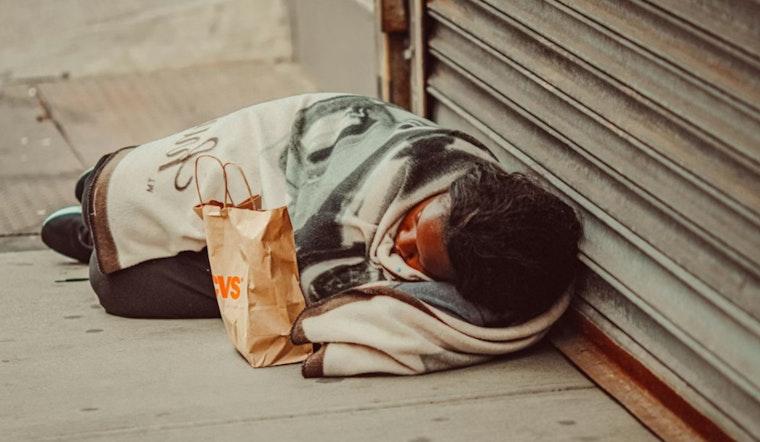
Yesterday, volunteers and outreach teams fanned out across Chinatown, downtown Honolulu and other Oʻahu neighborhoods for the federally mandated Point-in-Time count. Field organizers and outreach workers say the snapshot again laid bare a familiar pattern: people with untreated mental illness or substance-use disorders cycling between the streets, hospitals and jail. Organizers say a fuller, verified report of the 2026 count will be published later this spring.
The Oʻahu effort was coordinated by Partners In Care, drawing volunteers, outreach teams and shelter staff from across the island. For the first time, hospitals on Oʻahu collected information alongside street teams, and volunteers handed out incentive kits and conducted surveys in neighborhoods from Chinatown to Waianae, as reported by Hawaii News Now. Organizers say the snapshot is meant to steer resources toward the places that need them most.
Outreach Crews Log Encounters As Shelters Feel The Squeeze
According to the Honolulu Star-Advertiser, outreach teams with the Institute for Human Services recorded 844 encounters involving 413 individuals in October 2025. Those contacts led to 15 moves into temporary shelter and nine into permanent housing during that outreach period.
Emergency shelters run by the Institute for Human Services served 1,664 people in fiscal 2025, and older adults made up a significant share of new intakes. That mix, reported by Institute for Human Services, highlights growing pressure on already limited short-term capacity.
Courts And Care Keep Missing Each Other
Service providers told count organizers that people arrested for low-level offenses are frequently sent for evaluation, found unfit for court, have their charges dismissed and are then released without treatment. The result, they say, is a kind of bureaucratic boomerang that keeps people vulnerable while soaking up emergency and public-safety resources.
Reporting by Civil Beat has documented how the Assisted Community Treatment pathway is hampered by a shortage of attorneys willing to serve as guardians ad litem, slowing court-ordered outpatient care that is supposed to catch people before they land back on the street or in a cell.
Shelter Beds Are Up, Long-Term Homes Lag Behind
The housing picture is mixed. Short-term capacity has grown in some places even as stable, permanent options remain tight. Partners In Care reports that the 2025 Housing Inventory Count found about 2,144 emergency-shelter openings, up from 1,643 in 2024. At the same time, state inventory pages list thousands of beds spread across 118 projects statewide, a complicated patchwork of temporary and long-term placements, according to the State Office on Homelessness.
People Behind The Numbers
City Councilmember Tyler Dos Santos-Tam, who joined outreach crews in Chinatown and downtown, told survey teams that "those remaining in Chinatown tend to have complex challenges including serious mental health or substance use issues or reluctance to accept services," as quoted in the Honolulu Star-Advertiser.
The Star-Advertiser also profiled individuals behind the statistics, including 59-year-old Jesse Revera, who said he had been unhoused for roughly 15 years, reported a recent release from Halawa Correctional Facility and described more than $1,000 in sidewalk-sitting citations. His story, organizers argue, puts a human face on what they see as a systemic breakdown.
Legal And Policy Implications
The count's findings carry immediate policy stakes. Advocates are calling for faster, better-funded outpatient treatment pathways and more case managers to bridge the gap between arrest, hospital stays and housing. Lawmakers, meanwhile, are weighing proposals to route some low-level criminal cases into civil treatment tracks and to increase pay for guardians ad litem so petitions for Assisted Community Treatment can move more quickly, a reform described in reporting by Civil Beat.
The point-in-time snapshot is blunt but useful. It highlights where beds, clinical care and court resources intersect, and where they simply do not. Observers say the spring data release, and the policy response that follows, will be the real test of whether the count translates into fewer people living on Oʻahu's streets, according to providers' reports and state inventory pages at the State Office on Homelessness.





