

























































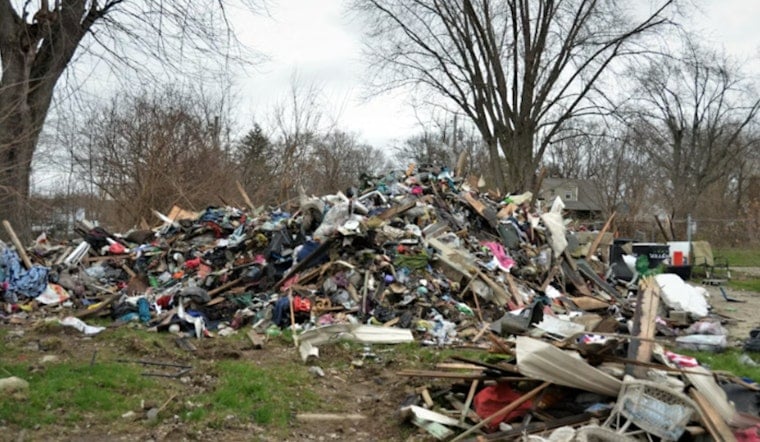
Hikers heading up the Puʻu ʻŌhiʻa Trail in the Honolulu Watershed Forest Reserve recently found something no one wants to see in a protected watershed: roughly 200 dumped tires and heaps of green waste scattered through the forest. State officials say the mess is more than ugly. It could chip away at native forests and contaminate the same underground water that keeps Honolulu’s taps running.
Crews Find 200 Tires on Puʻu ʻŌhiʻa Trail
Employees with the Oʻahu branch of the Department of Land and Natural Resources’ Division of Forestry and Wildlife, or DOFAW, spotted the trash along the Puʻu ʻŌhiʻa Trail, according to KHON2. They counted about 200 rubber tires mixed in with other discarded debris inside the public forest reserve.
"Public Forest Reserves belong to everyone," Oʻahu DOFAW Forestry Management Supervisor Ryan Peralta told Hawaii News Now. "They are not landfills for personal use." DLNR crews are working to haul out the piles and are asking residents to report any new dumping they see along the ridge.
Why Green Waste and Tires Matter
DLNR warns that those yard piles are not harmless. Green waste can ferry invasive plants and insects into the heart of native forests, including pests such as little fire ants and the coconut rhinoceros beetle. At the same time, abandoned tires and vehicle parts can leach chemicals into surrounding soil and nearby streams, which puts native trees and local water quality at risk. Those threats were outlined in reporting by KHON2, which notes that the agency is asking the public to flag dumpsites to DOCARE, the Division of Conservation and Resources Enforcement.
Vast Reserves, Limited Staff
Keeping an eye on all this land is no small job. Hawaii’s forest reserve system covers roughly 700,000 acres, which makes regular patrols and cleanups a constant logistical challenge, according to Hawaii News Now. DLNR’s Nā Ala Hele legislative report highlights ongoing staffing constraints and points to the Nā Manu ʻElele stewards program as one way the department is trying to keep up.
That program, funded with federal ARPA dollars, stations paid stewards at popular trailheads to help monitor use and support management, as described in a DLNR legislative report.
Communities Pitch In, but Cleanup Is Costly
Across the islands, nonprofits and volunteers pick up where limited state crews leave off. On Maui, Mālama Maui Nui reported removing 104 tons of trash in just a three-month window, according to Maui Now. Organizers say efforts like that help, but they do not fix the underlying problem of chronic dumping.
Some spots have become notorious. Along Peʻahi Road in Haʻikū, batteries, tires and other hazardous materials keep reappearing on the roadside despite repeated cleanups, a pattern that shows how persistent and dangerous illegal dumping can be on rural routes, as reported by Honolulu Civil Beat.
How to Report Suspected Dumping
If you see what looks like illegal dumping on state forest lands, DLNR wants to hear about it. The department is asking people to call the Division of Conservation and Resources Enforcement at 808-643-DLNR (808-643-3567) or submit a tip through the DLNRTip app. Contact details and links to reporting tools are posted on the DLNR contact page.
Until enforcement and disposal capacity catch up, officials say preventing more piles of trash in the woods will rely heavily on public reporting and neighborhood pressure. Dumped tires and green waste are not just a nuisance or a bad look for a popular hike. They are a direct threat to native ecosystems and to the drinking water many Honolulu residents rely on every day.





