

























































Michigan is taking a bipartisan swing at air pollution with a new legislative push to regulate per- and polyfluoroalkyl substances (PFAS) in the atmosphere, an issue hitting especially close to home for the Wolverine State. Lawmakers unveiled the Prevent Release of Toxic Emissions, Contamination, and Transfer (PROTECT) Act, a bill with cross-aisle backing that targets the notoriously resilient and dangerous group of chemicals popularly known as "forever chemicals."
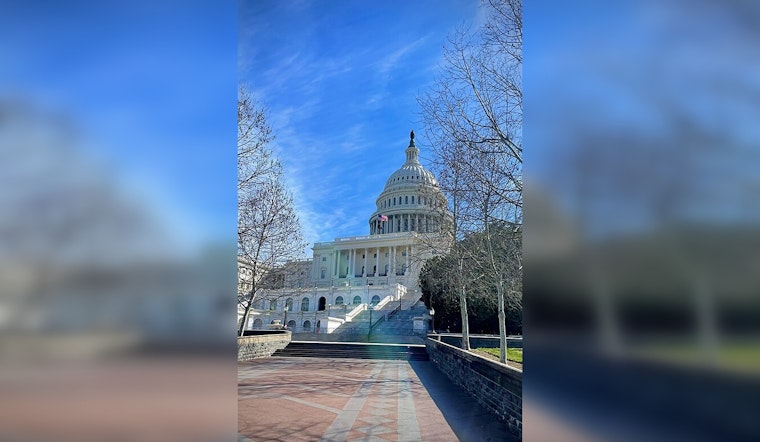
The initiative, led by Democratic U.S. Representatives Haley Stevens, Debbie Dingell, Rashida Tlaib, and Hillary Scholten of Michigan, also found support from Republicans Brian Fitzpatrick of Pennsylvania, Mike Lawler of New York, and Jen Kiggans of Virginia. According to a FOX 17 report, this act aims to seriously begin to correct the absence of regulations that currently leave dangerous PFAS levels unchecked in the air.
Under the PROTECT Act, the Environmental Protection Agency (EPA) would be required to classify certain PFAS as harmful air pollutants under the Clean Air Act. This categorization is anticipated to enable closer monitoring and impose enforceable limits on their air pollution from significant sources. Additionally, the bill would intensify the duties related to cleanup and public reporting when PFAS pollutants are released, as outlined in information obtained by Michigan Advance.
With Michigan reported to have over 300 confirmed contaminated sites and potentially thousands more suspected, addressing PFAS contamination through strengthened federal oversight represents a critical mission for the state. "Michigan communities have lived with PFAS contamination for too long. The PROTECT Act closes dangerous loopholes in how these toxic chemicals are regulated, strengthens oversight of PFAS air pollution, and holds polluters accountable," said Rep. Stevens in a statement on her office's website.
Moreover, the bipartisan effort to tackle PFAS extends beyond local concerns, with potential national implications for cleaner air standards. "Protecting public health is a top priority, which is why I am proud to support the PROTECT Act," stated Rep. Lawler. "By classifying all PFAS as hazardous air pollutants, this bill strengthens oversight of toxic emissions and reduces harmful exposure for all Americans. Environmental accountability today ensures a healthier, safer economy tomorrow," as mentioned in the press release.
The bill's introducers emphasize the urgency, not simply to limit but also to proactively prevent lasting harm from PFAS exposure, which is linked to severe health risks like cancer and reproductive troubles. Michigan's own PFAS Action Response Team is set to host a community meeting later this month, offering locals an opportunity to further engage on the contamination issue and contribute to the ongoing dialogue on this bipartisan legislation.



