

























































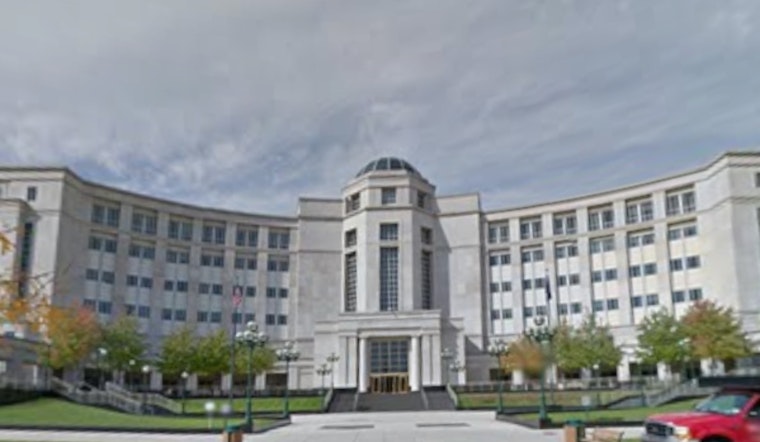
Following a series of Michigan Supreme Court rulings, nearly 600 individuals in Michigan who received life sentences without parole as juveniles could be eligible for resentencing. These landmark decisions have sparked a rigorous review process and concerns surrounding the logistical strain on prosecutors' offices, as reported by CBS News Detroit. The court found that such sentences for those aged 18 to 20 at the time of their crimes violate the state's constitutional ban on cruel or unusual punishment.
Oakland County has indicated that it will seek to reimpose life without parole sentences for approximately 20% of its cases, with Prosecutor Karen McDonald citing difficulties in obtaining information crucial to the decisions as the primary reason for this action. This information was obtained from Michigan Public. Yet, as the prosecutions' office acknowledges, the Supreme Court requires that the evidence must meet a "very high burden" to warrant sustaining a life sentence.
Given this reevaluation of hefty sentences, longstanding debates around juvenile justice and the consideration of neurodevelopment in legal consequences have been reignited. Assistant youth defender Maya Menlo with SADO highlighted that this decision doesn't diminish the severity of past crimes, aiming instead to ensure fair sentencing practices. "Victims are not a monolith," Menlo told CBS News Detroit, stressing the diversity of opinions among victims and their families.
In Oakland County, profound cases, such as that of Aaron Stinchcombe who was convicted of brutally murdering two 12-year-old girls, stand as examples cited by McDonald in her fight to uphold certain life sentences. Detailing Stinchcombe's prison record and the heinous nature of his crime, McDonald expressed to The Detroit News, "It feels like common sense that Stinchcombe never should be released from prison."
While prosecutors weigh the fate of these individuals, the affected families watch, their lives having been forever altered by the crimes committed years ago. As a mass of legal proceedings unfolds, a delicate balance between justice, rehabilitation, and societal protection is being sought. These rulings have potential implications for cases across Michigan, with Wayne County Prosecutor Kym Worthy also revealing a thoughtful decision-making process addressing a significant number of cases and challenging deadlines, according to CBS News Detroit. The judicial process, now in motion, could reshape the landscape of life sentencing for juveniles and young adults across the state.




