

























































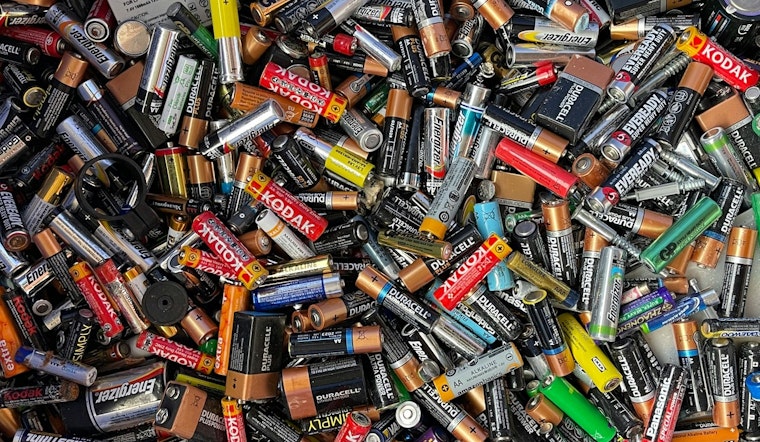
California shoppers ringing in 2026 will notice something new on their receipts. Starting Jan. 1, a 1.5% recycling surcharge, capped at $15 per product, is added at checkout when you buy items that contain non-removable batteries. The fee applies whether the battery is rechargeable or not and shows up as a separate line on receipts. State officials say the revenue is earmarked for better collection, safer handling, and more robust recycling of battery-embedded products in order to cut down on fires at recycling facilities.
How the fee works at checkout
CalRecycle set the "covered battery-embedded waste recycling fee" at 1.5% of the retail sales price with a $15 cap, to be collected by retailers beginning Jan. 1, 2026, according to CalRecycle. The agency defines covered products as devices whose batteries are not designed to be easily removed by the user using no more than commonly used household tools. Retailers that sell or ship covered products to California must register and submit the collected money through the state's fee account system, per CDTFA.
What counts, and what you will see on your receipt
Examples of covered products include power tools, gaming consoles, and small toys with glued-in cells, and even novelty items such as singing greeting cards, as reported by CalMatters. The surcharge must be listed separately on receipts, and retailers that choose to absorb the fee still have to disclose that fact on the customer's receipt. Many online sellers and marketplaces have been updating product feeds and checkout software so that covered SKUs are flagged and the fee is correctly applied to orders shipping into California.
Why lawmakers signed off
Lawmakers and waste officials point to safety concerns and the rising cost of fires at recycling and storage sites as the main reasons behind the new fee. RethinkWaste executive director Joe La Mariana told CalMatters that a 2016 lithium-ion battery fire at the Shoreway Environmental Center caused roughly $8.5 million in damage and sent insurance costs sharply higher. Regulators also cite a steady stream of incidents outside recycling centers, noting that "lithium battery fires on U.S. flights now occur nearly twice a week," according to CBS News, which reviewed FAA data. Officials argue that a relatively small consumer fee is less costly than repeated multi million dollar losses that ultimately land on ratepayers.
How retailers and manufacturers will adapt
Retailers are required to register for a fee account and remit collections through CDTFA, which publishes guidance on covered electronic-waste charges. Manufacturers had to notify retailers and CalRecycle by mid 2025 about which models fall under the fee, and legal advisers say that effort triggered website, label and catalog updates ahead of the Jan. 1 launch, according to legal counsel Keller & Heckman. Legal and trade advisories also stress that sellers located outside California still need to apply the surcharge on shipments into the state, and many companies plan to hold back a small handling allowance to offset the cost of collecting and administering the fee.
Exemptions and what comes next
Not every battery product is covered. The Department of Toxic Substances Control has identified exemptions for certain medical devices and for many single use plastic vapes because of hazardous waste handling concerns, and those items are treated differently under the rules. At the same time, state agencies are tightening oversight of large battery storage facilities. The Office of the State Fire Marshal adopted updated NFPA 855 standards, and the governor's battery safety collaborative has pushed for stronger oversight following the Moss Landing blaze, according to state briefings on the effort. Together, those steps mean the checkout fee is only one piece of a broader strategy to reduce fires and improve end of life management for batteries.
Legal notes
SB 1215, the 2022 law that brought battery embedded products into California's electronic waste program, directed CalRecycle to create a recycling fee for covered items and set annual review requirements. The bill text and legislative history are available in public records. CalRecycle's rulemaking put the fee and the $15 cap in place and includes provisions that allow recyclers to claim reimbursements and require CalRecycle to revisit fee levels on a regular schedule. For shoppers, the immediate bottom line is straightforward. Starting Jan. 1, a small new line item will appear on qualifying purchases, and that money is intended to help fund safer collection and recycling systems across the state.





