

























































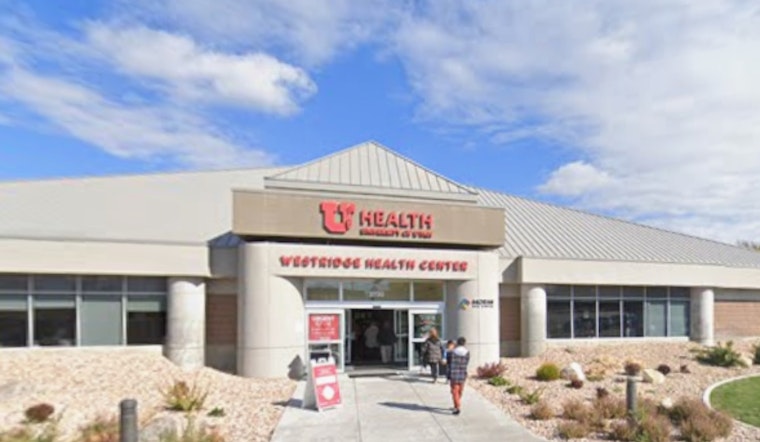
Northwest Salt Lake County is getting a rough health checkup. A new fact sheet from the Kem C. Gardner Policy Institute finds the area trailing both the county and the state, with higher rates of chronic disease, disability, and residents without insurance. Neighborhoods like Kearns, Magna, and Glendale are singled out as especially hard hit as the northwest valley keeps growing.
What the data shows
As outlined in a report by the Kem C. Gardner Policy Institute, residents in the northwest valley have higher rates of diabetes, asthma, depression, and obesity than Salt Lake County overall. The institute estimates the uninsured rate in the region at roughly 17.3%, compared with about 9% across Salt Lake County and 8% statewide. It also found young adults 18 to 34 are far less likely to get routine preventive checkups - roughly half do not - and many residents skip basic care because of cost.
Neighborhoods and who’s most vulnerable
Local communities show wide variation in social support and disability. Glendale residents reported receiving social and emotional support at about 59.7%, while Kearns and Taylorsville reported roughly 79.8% and 76.9%, respectively. Magna residents reported a disability rate of 40.7%, and lower-income northwest valley residents reported about 38.5% between 2021 and 2023. The report also flags that life expectancy in Kearns and Glendale is more than four years shorter than county and state averages, a gap that tracks with socioeconomic measures and access to care. Melanie Beagley, the Gardner Institute's senior health research analyst, told ABC4 the findings can "help inform decision-makers to plan for prosperity, health, and wealth" as the region grows.
Hospital access and a new campus
The institute notes Salt Lake County is served by about 12 hospitals, while only one hospital is currently located in the northwest valley, a disparity it says limits local access to acute care. University of Utah Health is building the Eccles Hospital & Health Campus in West Valley City, with outpatient and emergency services expected to open in 2028 and the inpatient hospital slated for 2029. University officials say the campus will bring specialty care, thousands of jobs, and shorter travel times for westside residents who often cross the valley for treatment.
Fixes the report recommends
To close the gaps, the report recommends targeted investments in healthy food access, reliable transportation, and stronger social supports, along with continued monitoring as the new health campus comes online, according to ABC4. Local health, transit, and city leaders will need to coordinate so that those services reach the neighborhoods that need them most, or disparities may persist.





