

























































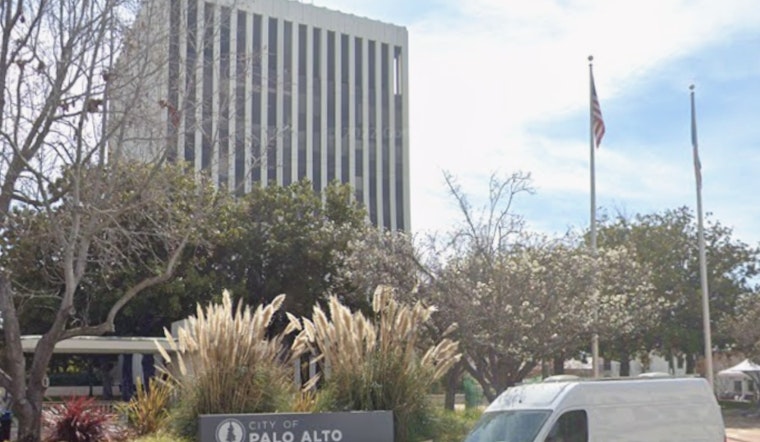
Palo Alto’s Retail Committee is floating a plan to loosen ground-floor rules to fill empty storefronts, and on Thursday, members dug into whether it should be easier for bars, cat cafés, medical spas, and larger gyms to set up shop. Supporters say the shift could bring more evening life to University and California avenues. Skeptics worry about noise, odors, and late-night crowds. The discussion is part of a broader push to cut vacancies and rethink what counts as “retail-like” in the city’s core business districts, with the committee’s recommendations headed to the full City Council.
Committee members said they were caught off guard by a little-known rule that effectively blocks many drinking-focused spots: businesses that sell alcohol must earn at least half their revenue from food. Several council members on the committee, including Pat Burt, Julie Lythcott-Haims, and Keith Reckdahl, signaled they are open to allowing pure bars in some retail districts, while insisting they are not trying to turn downtown into a full-blown nightlife strip. Lythcott-Haims pointed out that California Avenue already allows open containers during special events, making an outright ban harder to justify. The line-drawing exercise over where and how to allow bars was detailed by the Palo Alto Daily Post.
Confusion Over Cat Cafés
Cat cafés ended up as the poster child for how current rules can tangle newer concepts. When Mini Cat Town set up a pop-up at Stanford Shopping Center, the city initially treated it as a kennel or boarding business, which is not allowed under standard retail zoning. The nonprofit pushed back and ultimately reopened on California Avenue instead. Mini Cat Town now lists a California Avenue location at 429 California Ave., according to Mini Cat Town, and the dust-up prompted staff to review how the city defines boarding, which animals are permitted and how it will regulate noise, odors and waste. The earlier enforcement threat and the nonprofit’s response were chronicled by Palo Alto Online.
Gyms and Med Spas
Fitness and wellness operators are running into a different wall: square footage. Under current rules, gyms in retail zones are generally capped at 1,800 square feet. Retail consultant Christine Firstenberg told the committee that most Bay Area fitness concepts operate in spaces closer to 5,000 square feet and urged Palo Alto to allow larger sites if it wants those tenants at street level. That mismatch has left some landlords and brokers wondering whether downtown storefronts can realistically host viable studios or boutique chains. Her comments and the size comparisons were reported by the Palo Alto Daily Post.
Other Uses Under Consideration
The Retail Committee also voiced support for a wider menu of “retail-like” uses that staff have been considering, including car showrooms and retail financial services, in an effort to broaden the types of businesses that can fill ground-floor spaces. Members said clearer, more flexible rules could help brokers and prospective tenants understand what is allowed and, ideally, chip away at vacancies. The Retail Committee is an ad hoc City Council body, and its work will feed into the council’s formal review, according to the Palo Alto Online business coverage and the City of Palo Alto.





