

























































Hawaiian language immersion, known as Kaiapuni, is booming across the islands, but families and educators say classrooms are popping up faster than the state can staff them. Parents in communities such as Pearl City are pressing for middle and high school options so their children do not have to leave their home district, while principals warn that fluent, licensed teachers are increasingly hard to find. That imbalance has fueled petitions, lawsuits, and renewed calls for grow your own teacher pipelines.
Numbers Show Rapid Growth
The shift has been dramatic. Enrollment in Kaiapuni classrooms climbed roughly 68% over the past decade, and the number of state-run immersion campuses increased from about 14 to 26, according to reporting by Honolulu Civil Beat. That expansion is unfolding even as many DOE campuses juggle tight classroom space and shrinking general enrollment elsewhere. For families, it adds up to a simple problem: more demand for immersion seats than there are certified kumu available to teach them.
Teachers Are The Bottleneck
Officials with the Office of Hawaiian Education and DOE materials spell it out plainly. High quality immersion education depends on qualified teachers, and interest in Kaiapuni has outpaced the supply of licensed educators, according to the Hawaiʻi Department of Education’s Kaiapuni information. Community fights over classroom space, including protests after the reallocation of a Pūnana Leo preschool classroom at Puʻōhala Elementary, have highlighted how stretched facilities and staff already are. Parents say those local battles show what happens when demand for ʻŌlelo Hawaiʻi programming exceeds the system’s capacity to support it.
Pipeline, Pay And Legal Pressure
The staffing crunch is particularly sharp. The DOE has reported unfilled Kaiapuni teaching positions and employs immersion educators who still need full licensure, while advisory group ʻAha Kauleo warns the state will need many more teachers in the coming decade, according to Honolulu Civil Beat. University programs are producing only a small number of licensed immersion teachers each year. UH Mānoa and UH Hilo together graduated about a dozen licensed Kaiapuni teachers last year, leaving a thin pipeline for specialized subject-area roles. Two lawsuits filed in August alleged the department failed to provide reasonable access to immersion education. One case has since been dropped, while the other remains active.
Pearl City Parents Want Local Pathways
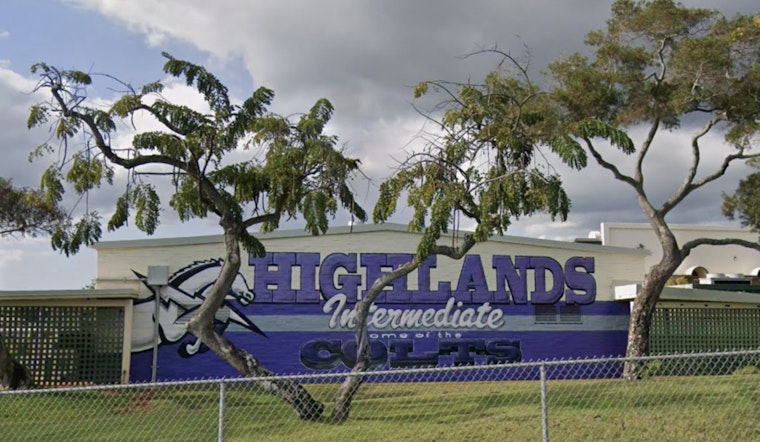
In Pearl City, families have rallied behind a Change.org petition calling for Kaiapuni programs at Highlands Intermediate and Pearl City High, drawing more than 100 signatures in recent weeks. The strain is real on the ground: Waiau Elementary offers immersion through sixth grade, but students must then transfer to Kapolei or Honolulu for middle and high school, or switch to English-medium classes at home. Supporters say the effort is about keeping immersion students in their community and preserving ʻŌlelo Hawaiʻi as a living school-to-career pathway.
How Communities And Universities Are Responding
Advocates and higher education leaders say the fix has to come from several directions at once: expanding teacher-licensure pathways, investing in grow your own programs and keeping financial incentives on the table. The University of Hawaiʻi’s teacher-preparation offerings, including the MEdT pathway that supports licensure for immersion candidates, are a key piece of that strategy. Union and educator groups also note that shortage differentials and other pay incentives have been extended in recent years to help recruit and retain teachers in hard-to-staff areas and immersion programs, per the Hawaiʻi State Teachers Association.
Bottom Line
For now, the state is facing a familiar triangle of problems: strong community demand, limited facilities, and far fewer certified immersion teachers than families say they need. DOE officials maintain that they remain committed to Kaiapuni programming, despite the department and community groups debating how best to expand the teacher pipeline and increase grade levels locally. If Hawaiʻi wants true K–12 immersion pathways in every community that asks for them, advocates say the next decade will have to bring sustained investment in training, recruitment, and classroom space.





