

























































The City of St. Louis is grappling with a substantial uptick in influenza cases this season, with the most recent data painting a picture that's becoming increasingly concerning for health officials and the public alike. As of the final week of 2025, the Department of Health has reported a sharp rise in influenza-like illness (ILI) visits to the emergency departments—a trend that's been on the rise for the past several weeks. The surge has culminated in Week 52, ending Dec. 27, 2025, marking the highest weekly percentage of such visits this season, raising alarms across the healthcare community.
Influenza activity, which has now been shown to be predominated by the Influenza A strain, is casting a shadow over the demographic of adults aged 25 to 49 years old, who have reported the highest number of cases for week 52 as well as in the cumulative count for the ongoing flu season. The St. Louis Department of Health has issued an advisory to healthcare providers, urging them to ensure patients are informed about flu prevention and the importance of vaccination for those who have not yet received their dose and are able to do so, as per the City of St. Louis.
Those finding themselves in the crosshairs of this flu season are not just limited to the main demographic affected. The at-risk group encompasses people 65 years and older, individuals with chronic conditions such as asthma, diabetes or heart disease, those with a BMI of 40 kg/m2 or higher, pregnant women, and children under the age of 5. The St. Louis Department of Health's advisory underscores the urgency for these groups, in particular, to take preventative measures against this year's robust flu strains.
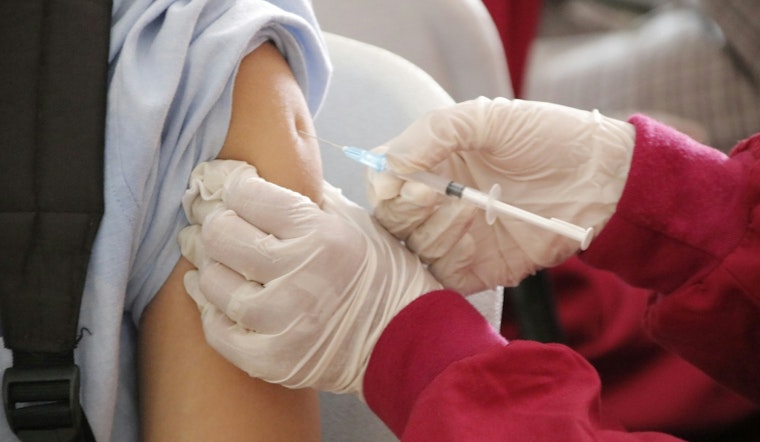
Simple preventative steps are being emphasized: The flu vaccine is the cornerstone of flu prevention. Healthcare providers are being reminded to advise all persons aged 6 months and older—who are not at risk for complications—to receive their annual vaccine. With the cloud of Influenza A and B hanging over the city, vaccination along with other preventative strategies, such as frequent handwashing and staying home when sick, are seen as key bulwarks in the effort to stifle the spread of the flu.





