

























































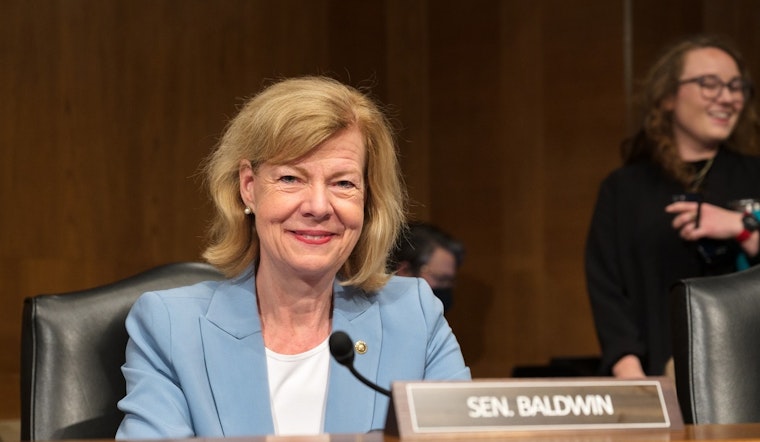
In a move aimed at bolstering mental health support for expectant and new mothers, U.S. Senators Tammy Baldwin and Jeanne Shaheen, along with Representative Gwen Moore, have introduced the Mental Health and Making Access More Affordable (MAMA) Act. This legislation seeks to dismantle financial barriers to mental health care and addiction services for pregnant and postpartum women. According to a press release issued by Senator Baldwin's office, the act would mandate that mental health care and addiction treatments be covered without copays under private and public health plans.
"We know pregnancy and postpartum can be extremely difficult, but too many expecting and new mothers still do not have access to the mental health care and support for addiction they need during these critical months," Senator Baldwin stated. She stresses the importance of setting up mothers and babies for success. Echoing her sentiment, Senator Shaheen highlighted the escalating mental health crisis among pregnant and postpartum women and emphasized the necessity for increased federal support, as mentioned on the official website.
The proposed Mental Health and MAMA Act will require that health plans, which already offer mental health or substance use disorder services, cover these services from the start of regular pregnancy care through one year postpartum with no cost-sharing. Additionally, it aims to safeguard continuity of care, ensuring that individuals don't lose coverage or access to their chosen providers due to changes in health plan networks during pregnancy or the postpartum period.
According to the same press release, Numerous organizations, including the National Partnership for Women & Families, MomsRising, and the Black Child Development Institute, have thrown their support behind the legislation. "Maternal mental health conditions — including depression, anxiety, and substance use disorders — are among the most common complications of pregnancy, childbirth, and the postpartum period affecting hundreds of thousands of families every year," Representative Moore explained. "Yet cost remains one of the biggest barriers to treatment, particularly for low-income individuals and people of color," she says.
As the bill gains traction, it promises to address crucial gaps in mental health care for one of the most vulnerable segments of the population. The collective backing of such a diverse group of advocacy organizations underscores the broad-based recognition of the urgent need to support maternal mental health at a policy level.



