

























































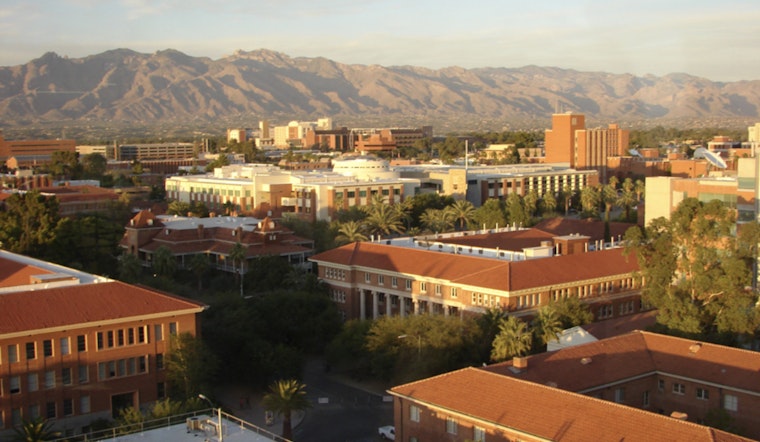
Research at the University of Arizona reached a new milestone, surpassing $1 billion in fiscal year 2024, according to the National Science Foundation’s Higher Education Research and Development Survey. This achievement positions U of A at the top of Arizona’s research institutions and among the top 20 public research universities in the nation, a ranking it has maintained for seven consecutive years, the university reported.
The university’s research funding grew by $45 million from the previous fiscal year, supporting projects across a wide range of fields—from space exploration to groundwater studies, which are critical for arid-land farming in regions like Yuma, a major agricultural hub in North America, the university reported. U of A President Suresh Garimella emphasized the capacity of faculty and students to take on complex challenges and contribute to society, economic growth, and the advancement of knowledge while preparing students for future innovation, according to Pima County.
Federal research funding at the university increased by 8.4% from the previous year, supporting projects in areas such as commercial fusion energy, sustainable mining, and AI-driven advancements in healthcare, reflecting a continued focus on addressing global challenges. U of A’s research accomplishments also extend to space exploration, with the university recognized in top national rankings for its contributions to missions including OSIRIS-REx and the James Webb Space Telescope.
Other research areas at the university are also achieving high recognition. U of A’s mining and critical minerals programs are preparing students for roles in industries vital to defense and energy, while life sciences research is advancing healthcare through AI and supporting agricultural productivity in arid regions. Social sciences are integrating human perspectives with STEM innovations, the university reported. Tomás Díaz de la Rubia, senior vice president for research and partnerships, noted the university’s interdisciplinary approach, which includes initiatives such as the Big Idea Challenge that apply AI to improve rural healthcare access and use tree-ring research for disaster resilience planning.





