

























































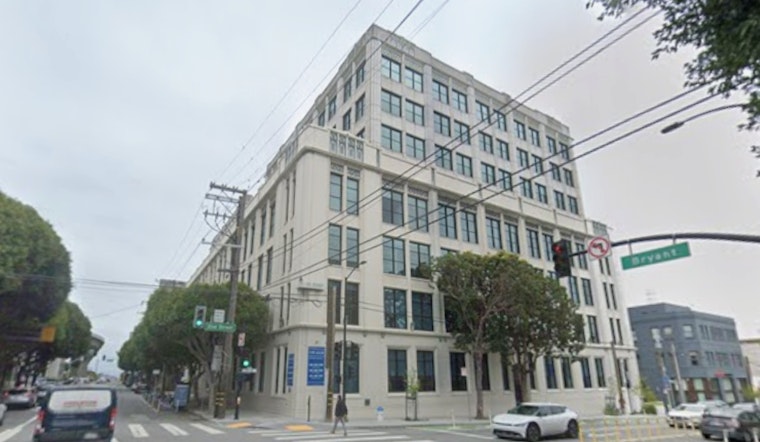
A seven-story former warehouse on Second Street in San Francisco's SoMa neighborhood is suddenly one of the hottest tickets in town. After a flurry of recent deals, the building is nearly fully leased, giving landlords another data point that AI startups are quietly snapping up downtown office space and putting fresh pressure on the city's best addresses.
CoStar reported that the seven-story building at 510 Second St. is about 98% occupied after three new leases, a fast turnaround that highlights renewed tenant interest in SoMa. For a part of downtown that not long ago was awash in sublease signs, that kind of absorption stands out.
Landlords are leaning into SoMa's vintage industrial look and feel as a selling point for well-funded young companies. The Swig Company, which owns nearby Second Street Square, signed LangChain and unitQ at 501 Second Street last year, according to a press release from The Swig Company and coverage in The Real Deal. Those backfills show how smaller AI players are choosing move-in-ready suites instead of sprawling, high-density campuses of the pre-pandemic era.
AI Demand Tightens Class-A Space
Brokerage data indicates that AI has been the single biggest force behind San Francisco's leasing rebound in 2025, tightening prime buildings and accelerating the much-discussed flight to quality. A recent analysis from CBRE found that the Bay Area accounted for 14 of the country's largest office leases in 2025 and that AI-related tenants grabbed a disproportionate share of those top deals.
That kind of activity is narrowing the supply of high-end space, which helps explain why landlords are polishing up suites and rolling out turnkey offerings to lure startups that want to plug in and start coding, not manage build-outs.
Big Deals Are Rebalancing Downtown
Headline-grabbing mega-leases are amplifying the shift. DivcoWest and Blackstone said Anthropic took the entire building at 300 Howard, removing hundreds of thousands of square feet from the downtown inventory and clustering more AI workers around the Transbay hub, according to a company press release distributed on Business Wire.
Those trophy commitments both signal deep demand and make the best SoMa product tougher to land for smaller firms that want to be near transit and other AI outfits but are not signing nine-figure leases.
The recovery, though, is hardly a straight line. Overall vacancy in San Francisco remains elevated even as top-tier buildings tighten. Local coverage has stressed that point while framing last year's leasing totals and modest vacancy gains as the backbone of the 2025 rebound. The city logged more than 10 million square feet of leases in 2025, and AI companies accounted for a sizable share of that volume, according to The San Francisco Chronicle.
Brokers say that combination of strong AI demand, decent transit access, and brick-and-beam aesthetics will keep SoMa among San Francisco's most hotly contested submarkets in 2026 and beyond, even if plenty of space is still sitting dark elsewhere downtown.





