

























































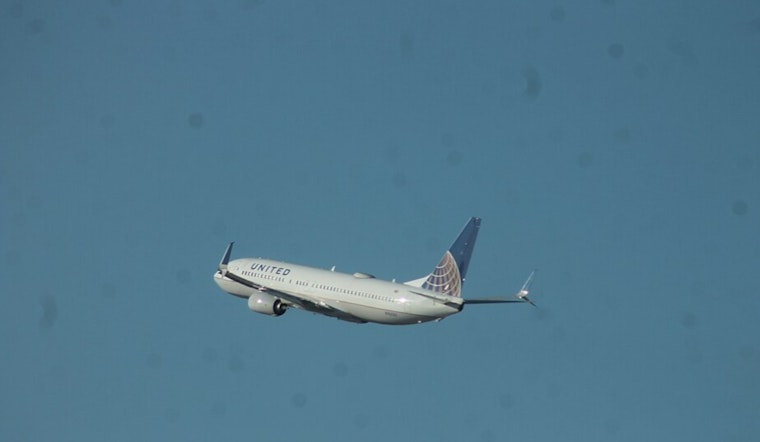
If you are heading from the Bay Area to Hawaii, that seat belt sign might be clicking on a bit more often. New research and route forecasts suggest turbulence along these popular Pacific paths is becoming more common, thanks to shifts in the jet stream and stronger vertical wind shear. In plain terms, the once-occasional rough patch on the way to Honolulu is looking less like a fluke and more like part of the ride.
A 2023 analysis from researchers at the University of Reading found that clear-air turbulence has climbed significantly in recent decades. According to the University of Reading, severe turbulence hours over some of the world’s busiest air corridors rose sharply between 1979 and 2020. Over the North Atlantic alone, the team reported a 55% increase, along with notable jumps in moderate and light turbulence. The researchers tie that trend to a warming atmosphere that reshapes the jet stream and boosts vertical wind shear, and they have called for better forecasting tools to cut down on injuries and operating costs.
For West Coast flyers, that global pattern is starting to show up in route-level expectations. A recent analysis estimates that the odds of hitting moderate-or-greater turbulence on flights between Hawaii and the U.S. West Coast have climbed roughly 10%-30%. As reported by SFGATE, some specific mainland routes may be seeing even larger increases, in the 50%-75% range, depending on altitude and time of year. Those percentages reflect not just changing atmospheric dynamics, but also the particular flight corridors pilots and dispatchers favor.
Unfortunately, this is not just a story about numbers in a climate model. A Hawaiian Airlines flight in December 2022 ran into severe turbulence that injured dozens of people and triggered an investigation by the National Transportation Safety Board, according to AP. Back in 2019, American Airlines Flight 123 encountered clear-air turbulence near Honolulu that left two flight attendants hurt, a case documented in an official docket later summarized by AeroInside. Incidents like these highlight why researchers stress that rising turbulence is not merely a comfort issue, but a real safety and cost problem when it arrives without warning.
How rough a flight feels can also come down to the plane you are on and where you are sitting. Narrower single-aisle jets tend to pass bumps through the cabin more noticeably than larger widebody aircraft, a point often made by former cabin crew and industry watchers. The same SFGATE report notes that detail and points travelers to turbulence-forecast tools such as Turbli, a site created by Ignacio Gallego-Marcos. Turbli taps public weather models and processes common routes to spit out a simple "bump" score, which can help nervous flyers plan seat choices or time their motion-sickness meds.
What travelers can do
The basics still matter, and they are not glamorous: keep your seat belt fastened whenever you are seated, secure loose bags, and pay attention when the crew runs through safety instructions. Aviation experts and academics are pushing for better turbulence forecasting and onboard detection gear to give pilots more warning, a recommendation underscored by the University of Reading. For Bay Area flyers specifically, that can mean checking route forecasts before you head to SFO, OAK, or SJC, picking a seat over the wing if you are sensitive to motion, and treating those safety briefings as something more than background noise.
Researchers say the skies are likely to stay bumpier as the atmosphere continues to warm, so airlines, regulators, and passengers will all have to adapt. In the short term, anyone flying between the Bay Area and Hawaii should be prepared for a potentially choppier ride and stick to straightforward safety habits. If the trend keeps up, leaving that seat belt clicked in may become less of a suggestion and more of a standard operating procedure on many long-haul routes.


