

























































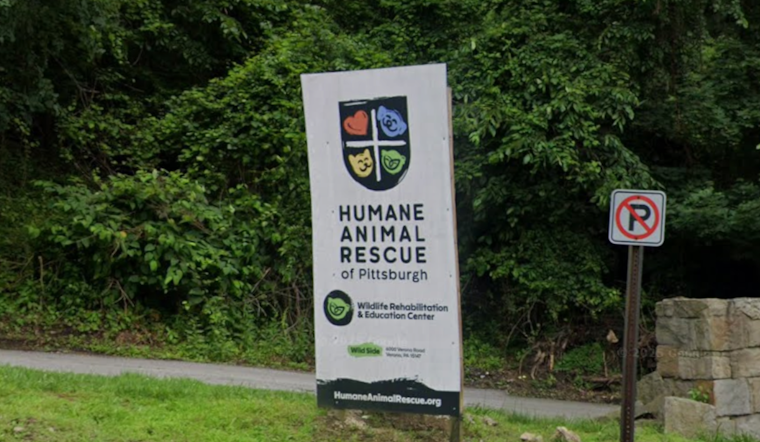
Bird flu concerns have put a temporary lock on some of the Pittsburgh region’s wild patients, as Humane Animal Rescue of Pittsburgh’s Wildlife Center pauses intake for certain species while it tightens biosecurity inside its Verona facility.
What HARP Is Pausing
The Wildlife Center has stopped accepting waterfowl, including geese and mallards, and has also put new admissions of foxes and raccoons on hold as a precaution. Staff says the move is about protecting the animals already in care while local bird flu detections are being monitored.
"These precautions help us keep native wildlife safe and continue providing lifesaving care," HARP said, according to WPXI.
Where To Call For Help
If you come across a sick or orphaned bird, HARP is asking people to call its wildlife helpline at 412-345-7300, extension 500, for instructions before doing anything else. The Wildlife Center is located at 6000 Verona Road in Verona.
Those contact details, along with step-by-step guidance on how to care for an animal until help can be arranged, are posted on the Humane Animal Rescue of Pittsburgh website.
State And Federal Context
State agriculture officials report that Highly Pathogenic Avian Influenza is still showing up in Pennsylvania this season. Control areas and recent confirmations in commercial flocks have prompted extra precautions across the state.
The virus remains under active surveillance in both wild and domestic birds. Updated case listings and maps are available from the Pennsylvania Department of Agriculture and from USDA APHIS, which tracks detections in wild birds nationwide.
Who To Contact About Waterfowl Or Sick Birds
People who need help with waterfowl are being directed to the Pennsylvania Game Commission’s regional office for southwest Pennsylvania. Sick or dead wild birds can be reported to the Game Commission by phone or through its online reporting survey.
The agency advises the public not to touch sick or dead birds and to let state wildlife officials know if they see groups of birds that appear ill. Reporting steps and safety guidance are available from the Pennsylvania Game Commission.
Pets, Veterinarians And Safety
Public health agencies say the current risk to the general public is low, but they still urge caution for anyone who works closely with birds or other potentially exposed animals.
The Centers for Disease Control and Prevention recommends that veterinary staff and anyone handling animals that might have been exposed to bird flu use appropriate personal protective equipment. The agency also advises pet owners to keep pets, especially cats, away from wild birds and raw animal products. Detailed guidance for veterinarians and the national situation summary are available from the CDC.
HARP officials say the intake pause is a short-term step aimed at cutting any chance of virus spread while federal and state partners continue testing and monitoring. Residents who find an animal in distress are urged to call HARP’s wildlife line or the Game Commission for instructions, rather than trying to move or treat wild animals on their own.





